Advertisement
MPs renew push for stronger laws to protect Kenyan workers abroad
Saturday 20th June, 2026 06:52 PM|
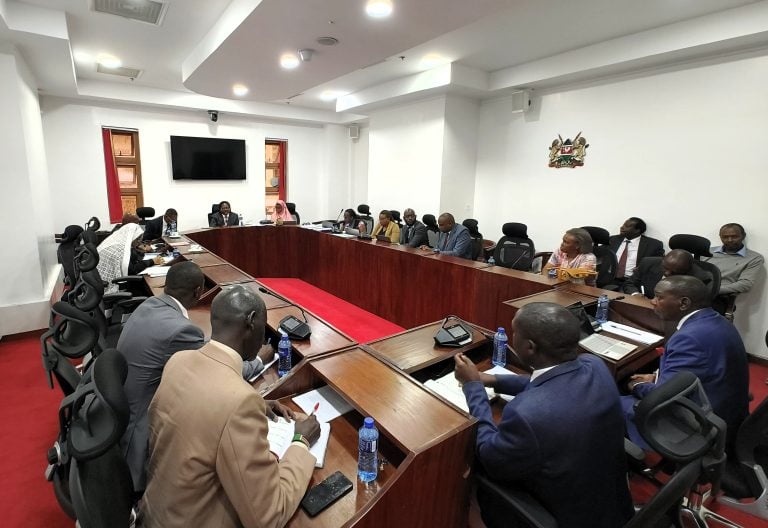
The National Assembly Committee on Labour has called for the expansion of the mandate of the National Employment Authority (NEA) to strengthen oversight of labour migration and enhance protection for Kenyans seeking employment abroad.
In a statement shared on Facebook account on Saturday, June 20, 2026 during a two-day retreat in Nakuru County to review the Labour Migration and Management (No. 2) Bill (Senate Bill No. 42 of 2024) sponsored by Senator Tabitha Mutinda, lawmakers expressed concern over rising cases of exploitation involving Kenyan migrant workers.
The Committee said a strengthened NEA would play a central role in regulating labour export processes, curbing rogue recruitment agencies, and ensuring safer and more transparent employment systems for Kenyans abroad.
Committee Chairperson Ken Chonga said empowering the authority, alongside increased budgetary allocations, would enable it to take a more active role in labour migration management and worker protection.
You Might Also Like


“This will address the issue of rogue agencies who demand hefty commissions from Kenyans, deterring some who can’t afford and ensure that migrant workers are protected from exploitation,” Chonga said.
Push to curb exploitation of migrant workers
Lawmakers raised concern over private recruitment agencies, questioning whether their continued operation was necessary amid growing reports of abuse, high recruitment fees, and unsafe working conditions faced by Kenyans abroad.
They argued that an expanded NEA mandate would allow the government to directly oversee recruitment processes and enforce bilateral labour agreements between Kenya and destination countries.
The Committee further proposed that NEA be empowered to ensure that both skilled and unskilled migrant workers access decent employment opportunities, while also strengthening government responsibility in cases of distress, including repatriation.
Remittances boost economic case for reforms
Chonga underscored the economic significance of migrant workers, noting that remittances from Kenyans abroad remain a major contributor to national development and foreign exchange earnings.
“Migrant workers contribute significantly to Kenya’s economic development through foreign remittances. As a country, we should roll our heads high and ensure that they are protected,” he added.
Bill seeks to close regulatory gaps
If enacted, the Labour Migration and Management Bill, 2024 is expected to address long-standing gaps in the governance of overseas employment, a sector involving hundreds of thousands of Kenyan workers.
The Committee is expected to hold further consultations with the NEA and the State Department for Labour and Skills Development as deliberations on strengthening labour migration oversight continue.
Embassies under scrutiny over migrant worker welfare
Concerns over the welfare of Kenyans abroad have also intensified following renewed criticism of Kenya’s diplomatic missions, with Kirinyaga Woman Representative Njeri Maina questioning the effectiveness of consular support systems, particularly in Saudi Arabia.
“Who protects Kenyans suffering in Saudi?” Maina posed, citing reports of poor working conditions, passport confiscation, and delayed intervention for stranded workers.

Speaking in a statement on her X account on Wednesday, June 3, 2026, she accused some diplomatic offices of failing to respond promptly to distress calls despite being funded by taxpayers.
“They continue to enjoy taxpayers’ money with no regard for the work they’re actually supposed to be doing,” she said.
Maina added that the situation raises serious questions about whether Kenya’s foreign missions fully understand their mandate of protecting citizens abroad, warning that continued gaps in consular response leave migrant workers exposed to exploitation and neglect.
Author
Latest News








Advertisement
More on News