MPs call for budget realignment as global conflict, inflation threaten Kenya’s fiscal outlook
By Emmanuel Rono, May 19, 2026The National Assembly Finance Committee has urged Ministries, Departments and Agencies (MDAs) to align their budget proposals with emerging economic realities, warning that escalating geopolitical tensions in the Middle East could undermine Kenya’s fiscal stability.
The committee, chaired by Molo MP Kuria Kimani, raised concern over the worsening global economic environment triggered by heightened conflict involving the United States, Israel and Iran, which has disrupted key trade routes and pushed up global oil prices.
According to a statement by the Parliament of Kenya on Tuesday, May 19, 2026, lawmakers said the situation, particularly instability around the Strait of Hormuz, had already begun to strain global supply chains, fuel inflationary pressures, and increase the risk of recession in vulnerable economies such as Kenya.
“We need to create time after these presentations to align the budgets with the realities of this conflict and which have already started to affect our economic outlook,” Kimani noted.
Need for budget adjustments
They highlighted that while the National Assembly had previously approved an ambitious Ksh4.7 trillion budget ceiling during the consideration of the Budget Policy Statement (BPS), these emerging global realities must now be factored in.
The Committee further expressed concern over revenue performance by the Kenya Revenue Authority (KRA), which has so far collected Ksh1.815 trillion against a target of Ksh2.7 trillion, with only one quarter remaining in the financial year.
“In the last three quarters, you have only managed to collect Ksh1.815 trillion out of the projected Ksh 2.7. trillion. Will you be able to achieve your target with only one quarter remaining in this Financial Year?”, Julius Rutto (Kesses) asked.
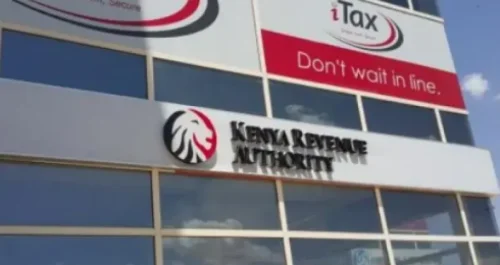
To address these performance challenges, Homa Bay Town MP Peter Kaluma urged KRA, which falls under the State Department for National Treasury, to curb revenue leakages and uphold institutional integrity.
“We are facing a potentially huge expenditure for elections next year while the Iran conflict is beyond our control. I was expecting a budget reduction, with only essential programmes that we really require to fund. The revenue outlook is also not good. How are we going to fund the next budget? We need to reduce tax leakages within KRA”, he observed.
Govt readiness
Principal Administrative Secretary Samson Wangusi assured MPs that measures were in place to maintain macroeconomic stability, including efforts to keep inflation within target and strengthen foreign exchange reserves.
The Treasury also outlined plans to increase ordinary revenue collection in the 2026/27 financial year and implement reforms aimed at removing Kenya from the Financial Action Task Force (FATF) grey list through improved compliance with anti-money laundering and counter-terrorism financing standards.
Lawmakers, however, raised questions over a Ksh5 billion allocation for public participation, with MPs demanding clarity on how the funds were being utilised and urging that part of the resources be redirected to public education on the Finance Bill.
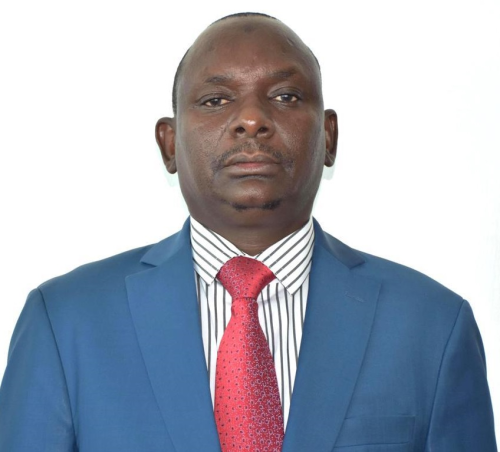
CRA Chief Executive Officer CPA Roble Nuno appealed to the Committee to enhance their budgetary allocation, noting that their current resource cap suffers a deficit of Ksh613.2 million.
“Over the years, the Commission has faced persistent budgetary constraints that have hindered the effective execution of its mandate. During the planning period, a significant resource shortfall of Kshs. 613.2 has emerged, stemming from a budget allocation of Kshs. 569 million for recurrent and development expenditure,” CPA Nuno explained.