Advertisement
MP Milemba calls for merger of bursary funds to improve equity
Tuesday 24th March, 2026 08:53 AM|
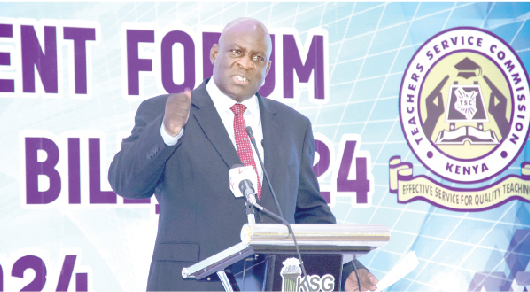
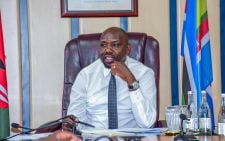
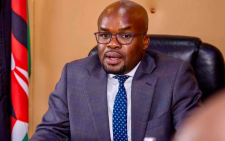
Emuhaya constituency Member of Parliament Omboko Milemba has joined a growing clamour to centralise bursary funds in Kenya as a way of enhancing the access of the poor to learning opportunities. The relocation is to eliminate inefficiencies and duplication in the existing system of funding, which many believe is a form of inequitable treatment of the disadvantaged students.
Speaking in a morning interview with a local TV station on Tuesday, March 24, 2026, Milemba highlighted the importance of having a concerted effort on bursary disbursement that would see the entire population of students gain access to adequate funding to pursue their education.
“And remember, there are other monies that are given by Members of Parliament like myself as fees directly to the students, others given by governors and others by different groups of people. There is also the presidential bursary. If we did merge all these monies together, we would put all these funds together, and we would employ these teachers without any pay and improve services in the education sector. We need to think out of the box,” Miremba said.
The sentiments by the MP have come at a moment when there is a rising discourse that recommends changes in the way in which bursary and scholarship funds are handled in Kenya.
Why Consolidation Matters
You Might Also Like


As it stands, bursary funds in Kenya come from a number of different sources. These include the national government’s NG-CDF fund, the county government’s fund, and individual legislators’ and other people’s contributions. According to critics, this multiplicity of funds causes overlaps, unequal distribution and administrative inefficiencies, with some students receiving multiple awards and others receiving none.
Milemba says that a centralised fund managed by the Ministry of Education would not only make it easier to give out money, but it would also help with bureaucratic bottlenecks and make things more open and accountable.
National efforts toward harmonisation
Members of this committee, which comprised Milemba among other legislators, had the responsibility of identifying overlaps and suggesting governance structures to facilitate sustainable funding of education between primary and tertiary levels.
Such reforms have also been supported by the county leaders, who have urged the harmonisation of bursary funds as a means of eliminating duplication and so that more deserving students can get the funds, particularly in the areas where economic hardships are looming to negate attendance in schools.
With the debate on, education stakeholders, policymakers, and even the citizens are keenly observing the outcome of whether or not a consolidated bursary fund will be realised and the outcome of how such a model would change access to education in Kenya.
The future of education financing in the country will depend on the results of the current consultations and legislative discussions.
Author
Latest News


Advertisement
More on News