Advertisement
Ministry of Health convenes crisis meeting to assess Kenya’s Ebola preparedness
Tuesday 02nd June, 2026 11:31 AM|

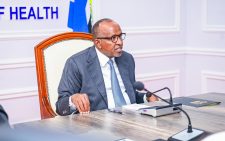
The Ministry of Health has convened a high-level preparedness meeting bringing together directors and heads of divisions to review Kenya’s readiness to respond to Ebola Virus Disease (EVD) and other emerging public health threats.
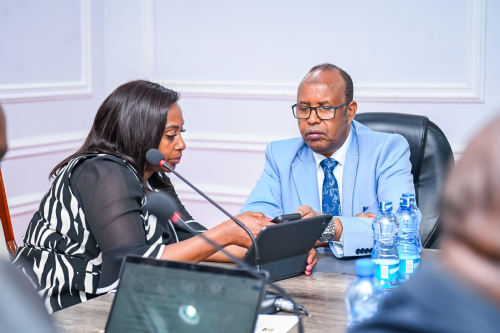
The meeting, chaired by senior officials led by Principal Secretary for Public Health and Professional Standards Mary Muthoni, focused on strengthening national surveillance, laboratory systems, emergency response mechanisms, and inter-agency coordination to ensure rapid detection and containment of any potential outbreaks.
No confirmed Ebola cases in Kenya
PS Muthoni, in a statement shared via her official X account on Tuesday, June 2, 2026, clarified that Kenya has not recorded any confirmed cases of Ebola virus disease.
However, officials emphasised that the country remains on high alert due to the unpredictable nature of infectious disease outbreaks in the region.
You Might Also Like
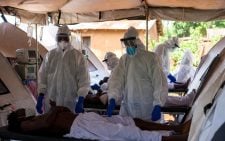
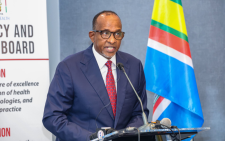
Authorities noted that preparedness remains critical in safeguarding public health, especially given increased cross-border movement and regional health risks.
“The Ministry of Health today convened a high-level preparedness meeting bringing together Directors and Heads of Divisions to review Kenya’s readiness to respond to Ebola Virus Disease (EVD) and other emerging public health threats,” PS Muthoni stated.
“While Kenya has not recorded any confirmed case of Ebola, the Ministry is strengthening surveillance, screening, laboratory capacity, emergency response systems, and coordination mechanisms to ensure early detection and rapid response in the event of any suspected case.”
Strengthening surveillance and response systems
During the meeting, participants reviewed Kenya’s current Ebola situation and assessed preparedness levels across both national and county governments.
Key focus areas included disease surveillance and early warning systems, laboratory testing and diagnostic capacity, healthcare worker readiness and training, infection prevention and control (IPC) measures, community engagement and risk communication strategies, and availability of personal protective equipment (PPE), isolation facilities, vaccines, and essential medical supplies.
Officials stressed the need to ensure that all systems are fully operational and capable of responding swiftly in the event of suspected cases.
“The meeting reviewed the current Ebola situation and other disease threats, assessed national and county preparedness levels, healthcare worker readiness, infection prevention and control measures, community engagement strategies, and the availability of critical resources including personal protective equipment, isolation facilities, medicines, vaccines, and emergency supplies,” the statement reads.
Emergency preparedness and coordination
Muthoni further noted that the meeting also examined directorate-level action plans and accountability frameworks aimed at improving coordination across government agencies.
Inter-ministerial coordination was identified as a key pillar in enhancing preparedness and ensuring resources are deployed effectively during outbreaks.
“The meeting also discussed directorate action plans, accountability frameworks, and inter-ministerial coordination to ensure a whole-of-government approach to public health emergency preparedness,” she stated.

Ruto’s on Ebola preparedness
The meeting comes hours after President William Ruto defended the government’s plan to establish an Ebola preparedness facility at Laikipia Air Base, saying the project is necessary to strengthen Kenya’s ability to respond to future disease outbreaks.
Speaking during a roundtable interview with North Eastern journalists at the Wajir State Lodge on Monday, June 1, 2026, the president dismissed criticism surrounding the facility and urged leaders to avoid politicising public health matters.
“I am wondering why anybody would want to politicise and mobilise negative politics around a matter as serious as a pandemic,” he said.
Ruto maintained that the government was acting responsibly in preparing for potential health emergencies.
“We are a responsible government. We know what we are doing. People should relax. Politicians should avoid reckless, unnecessary talk that doesn’t mean anything,” he insisted.
Author
Mustafa Juma
View all posts by Mustafa JumaLatest News


Advertisement
More on News