Advertisement
Medics condemn filming in hospitals amid Gaucho controversy
Friday 08th May, 2026 04:51 PM|

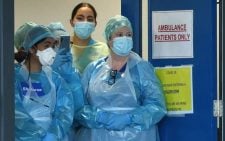
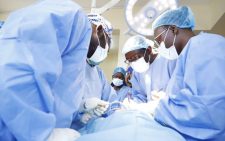
The Kenya Medical Association (KMA) has condemned the increasing trend of filming and live-streaming inside healthcare facilities, warning that the practice violates patient privacy and dignity.
The statement comes amid public concern over a recent hospital incident involving Calvince Gaucho at Mama Lucy Kibaki Hospital.
The association said hospitals must remain spaces for treatment and recovery, not for political or social media content creation.
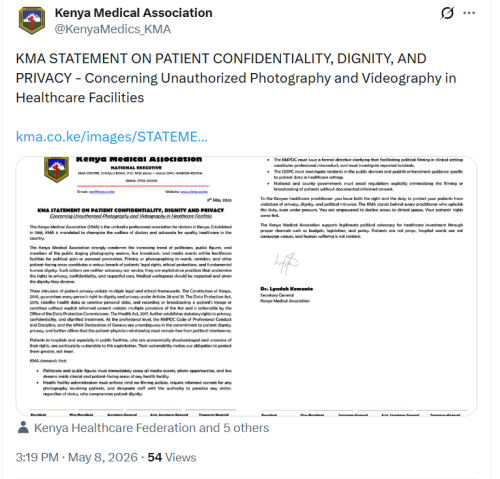
KMA statement on patient privacy
In a statement signed by Secretary-General Lyndah Kemunto, dated May 8, 2026, KMA said the practice of recording patients without consent breaches ethical and legal protections.
You Might Also Like
“Patients are not props, hospital wards are not campaign venues, and human suffering is not content,” the statement read.
The association urged politicians, public figures, and content creators to stop filming in wards, corridors, and other patient-care areas.
It also directed hospital administrators to enforce strict no-filming policies and ensure informed consent is obtained before any patient images are captured.
Mama Lucy Kibaki Hospital
The statement followed public criticism of a visit to Mama Lucy Kibaki Hospital by board member Calvince Gaucho, where he reportedly conducted a live TikTok broadcast from inside the hospital.
Footage shared online showed hospital corridors, patients in beds, a mother with a newborn, and a patient receiving care. The live stream attracted public attention and triggered debate on patient privacy and governance standards in health facilities.
Online reactions included calls for stronger data protection laws and accountability in public hospitals. Health professionals and activists questioned the ethical implications of recording within clinical settings.
Legal and ethical framework
KMA cited several legal instruments governing patient privacy, including Articles 28 and 31 of the Constitution of Kenya (2010), which protect dignity and privacy, and the Data Protection Act 2019, which classifies health information as sensitive personal data.
The association also referenced the Health Act 2017 and the Kenya Medical Practitioners and Dentists Council (KMPDC) Code of Professional Conduct, which require confidentiality in patient care. The World Medical Association’s Declaration of Geneva was also cited in relation to medical ethics.
The KMA called on the KMPDC and the Office of the Data Protection Commissioner to investigate reported incidents and issue enforcement guidance. It further urged national and county governments to develop regulations criminalising unauthorised filming of patients without consent.
Author
Latest News




Advertisement
More on News