Advertisement
LSK rolls out AI and legal technology reforms
Friday 08th May, 2026 12:55 AM|

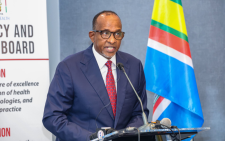
The Law Society of Kenya (LSK) is moving to integrate artificial intelligence and digital tools into legal practice through the formation of a dedicated ICT and AI Committee to guide adoption and training of lawyers across the country.
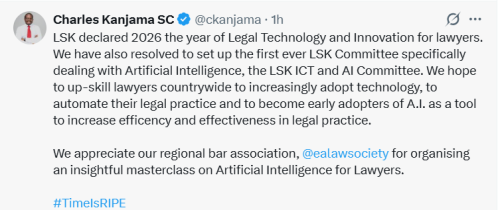
LSK President Charles Kanjama announced the initiative aimed at upskilling legal practitioners, improving efficiency, and supporting automation of routine legal processes.
The announcement follows engagements with regional legal bodies, including the East Africa Law Society, which hosted a masterclass on artificial intelligence for lawyers.
AI adoption
Kanjama said the initiative is intended to transform how legal services are delivered. “We hope to up-skill lawyers countrywide to increasingly adopt technology, to automate their legal practice and to become early adopters of A.I. as a tool to increase efficiency and effectiveness in legal practice,” he said.
You Might Also Like


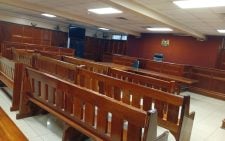
The Society also confirmed it is developing practice notices to guide lawyers on procedural matters, including certificates of urgency. Under existing Judiciary guidelines, applications filed by 4pm are expected to be handled within 24 hours. LSK said the measures aim to improve consistency and efficiency in court processes.
Institutional engagement
LSK held consultations with the Speaker of the Senate on strengthening collaboration between Parliament and the legal profession. The Senate committed to supporting engagement with the Salaries and Remuneration Commission on improving terms and conditions for lawyers in the public sector, including County Legal Counsel.
The Society also referenced ongoing discussions with the Judiciary on administrative procedures affecting litigation practice. It said it continues to engage state institutions as part of its law reform mandate.
Regional engagement
LSK participated in a masterclass organised by the East Africa Law Society on artificial intelligence in legal practice, focusing on emerging technologies and their application in the legal sector.
Kanjama also addressed remarks by Tanzanian President Samia Suluhu Hassan on youth-led protests, citing constitutional protections under Articles 33, 36, and 37 of the Constitution of Kenya, which safeguard freedom of expression, association, and assembly.
LSK said it will continue to engage through legal and institutional channels within the East African Community framework on matters affecting constitutional rights.
The announcement was made alongside LSK Vice President Teresia Nicholas and Council members Tom K’Opere and Vivienne Eyase. The Society also took part in the Closing of File Proceedings for the late Judge Fred Ochieng, recognising his contribution to the Judiciary.
LSK said its focus remains on advancing legal technology reforms while strengthening institutional engagement and supporting professional development within the legal sector.
Author
Latest News








Advertisement
More on News