Advertisement
Lawyer Kinyanjui questions legitimacy of impeachment vote over vacant constituencies
Wednesday 10th June, 2026 09:45 AM|

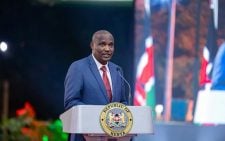
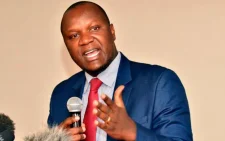
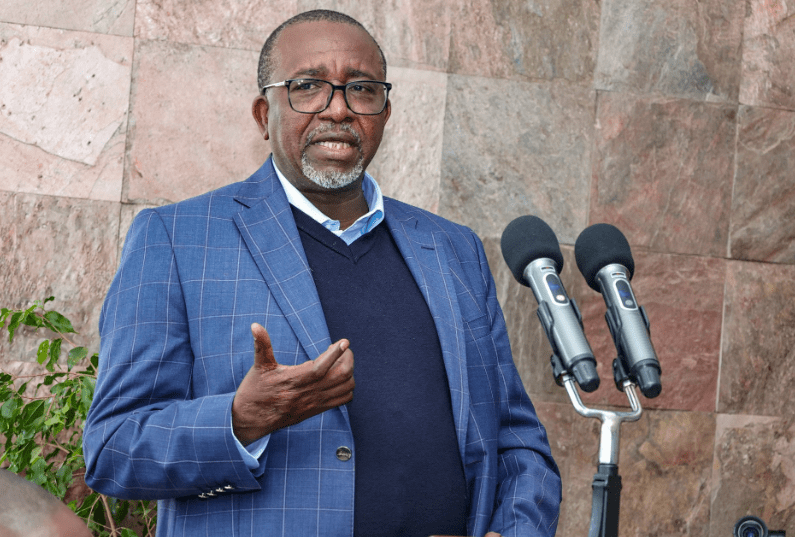
Lawyer and political analyst Harrison Kinyanjui has questioned the legality of a parliamentary impeachment motion, arguing that it proceeded despite concerns over representation gaps in several constituencies at the time of voting.
Speaking during an interview with a local station on Thursday, June 10, 2026, Kinyanjui claimed that the motion was tabled and processed despite the existence of vacant parliamentary seats, raising questions over whether all constituencies were properly represented in line with constitutional requirements.
“Mwengi Mutuse presented the impeachment motion knowing very well that the MP for Banisa had died,” Kinyanjui said.
He further claimed that the lawmaker was aware that several constituencies had no sitting representatives during the proceedings.
You Might Also Like
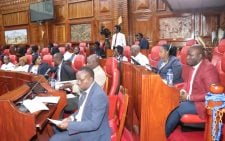
“He also knew that there were no sitting MPs for Suba South, Magarini, and Ugunja. Who spoke for the people of those constituencies?” he posed.
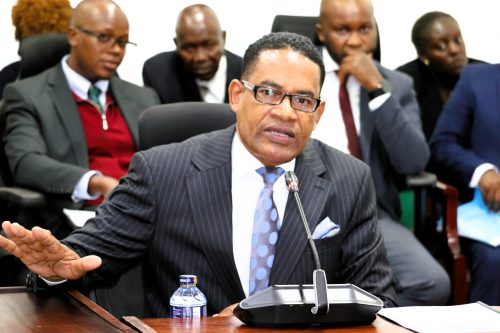
Constitutional questions raised
Kinyanjui argued that parliamentary procedures require full participation of members of the National Assembly in matters of such constitutional weight, noting that voting thresholds must be strictly observed.
He pointed to constitutional provisions governing impeachment proceedings, stating that such processes require strict adherence to voting thresholds, including the requirement that at least a third of members participate and that approval meets the necessary two-thirds majority threshold.
He further argued that the absence of duly elected representatives in some constituencies raised serious questions about whether the vote met constitutional standards.
Legality of the process questioned
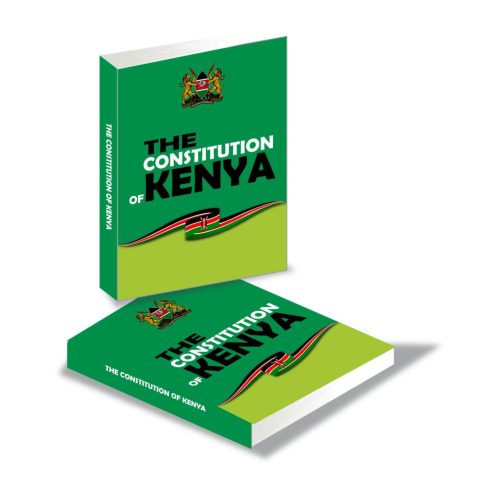
The advocate cited Article 145 of the Constitution, arguing that impeachment proceedings must strictly comply with procedural safeguards to ensure legitimacy and fair representation of all constituencies.
He maintained that where constituencies lack representation, questions arise over who effectively speaks for those citizens during critical parliamentary decisions.
According to Kinyanjui, the gaps in representation render the motion procedurally defective from the outset.
He described the process as fundamentally flawed, suggesting that it failed to meet constitutional expectations for inclusivity and lawful decision-making in the National Assembly.
The remarks add to ongoing debate over the legality and procedural integrity of parliamentary impeachment processes, particularly in relation to representation, voting thresholds, and constitutional compliance.
Mutuse defends impeachment process
His remarks come as Kibwezi West Member of Parliament Mwengi Mutuse, who sponsored the impeachment motion against former Deputy President Rigathi Gachagua, broke his silence following the High Court ruling that upheld the impeachment.
In a statement issued on Monday, June 8, 2026, Mutuse welcomed the judgment, saying it affirmed the constitutional and legal basis of the motion he tabled in Parliament.
“I was certain that our courts could not have arrived at any other finding than to uphold the impeachment of Mr Rigathi Gachagua,” Mutuse said.
Mutuse also called for stricter legal measures to regulate the political activities of impeached public officers, arguing that Parliament should address gaps in the law regarding their post-removal conduct.
Author
Latest News





Advertisement
More on News