Advertisement
Kiraitu Murungi: Kenya’s governance institutions struggling under rising executive control
Wednesday 05th March, 2025 12:29 PM|
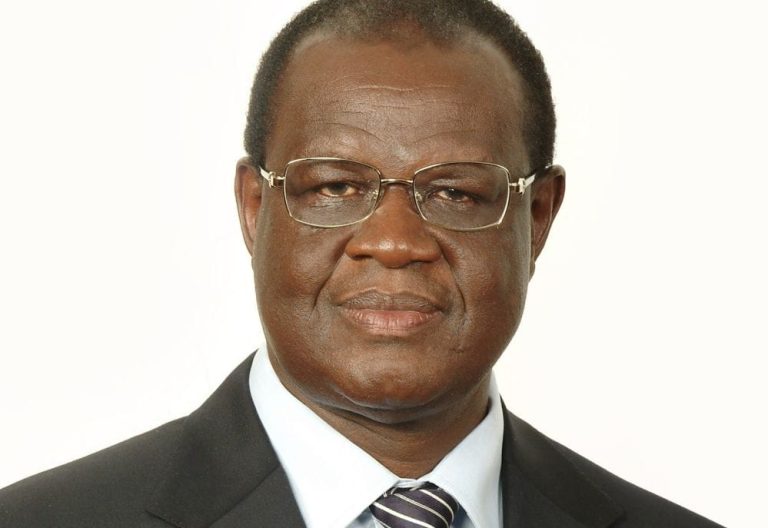
Former Meru Governor Kiraitu Murungi has raised concerns over what he sees as the creeping return of excessive presidential power in Kenya’s governance, warning that the influence of the presidency is once again overshadowing other democratic institutions.
Speaking during the People’s Dialogue Festival held at Uhuru Park on Wednesday, March 3, 2025, Murungi reflected on the historical dominance of the executive, noting that past constitutional reforms had struggled to dismantle the entrenched perception of the presidency as an all-powerful institution.
“The presidency was shrouded by so much mystique and mystery that whatever you wrote in the constitution could not affect the psychological impact of the presidency,” he said.
“And indeed, the presidency was such a powerful institution in the minds of Kenyans that it was suffocating the needs of all other institutions of governance—the legislature, the judiciary, and all those.”
You Might Also Like



Murungi expressed his deep concern that Kenya is now witnessing a reversal of the democratic gains made in recent years as presidential power once again looms over other arms of government. He emphasised the importance of recognising these patterns before they erode the progress made in governance reforms.
“I feel the trend is coming back again,” he warned. “I think time must come for us again to notice these trends and see how we can protect the little space we have with democracy and move forward.”
Non-existent parties
Kiraitu also took issue with Kenya’s political party system, calling out the widespread existence of non-functional party offices that fail to comply with the Political Parties Act.
The former Meru Governor argued that just as the presidency continues to overshadow democratic institutions, political parties themselves are failing to uphold the principles of democracy.
“We need to do some training and try opening new offices in this country so that they can comply with the Political Parties Act,” Murungi stated.
“I can tell you there is a lot of lying and cheating that parties have. You can go to your counties and see how many offices are there. Sometimes it’s a closed shop—it doesn’t open, but it has party colours. And nothing happens inside.”

He criticised the culture of deception in party operations, where many claim to have a nationwide presence but, in reality, do not maintain functional offices outside Nairobi and a few major towns.
This, he warned, weakens democracy by creating political entities that exist only in name, with no real grassroots engagement or representation.
“We should get over these pretences,” he remarked.
Murungi further argued that the Political Parties Act is unfairly structured to disadvantage young people who aspire to enter politics.
He pointed out that financial barriers, such as the Ksh20,000 registration fee required to establish a party, make it nearly impossible for young leaders to participate in the political landscape.
“The law is also discriminatory against the youth,” he said. “Where do you get the 20,000 so that you can open a party?”
Author
Steve Ireri
View all posts by Steve IreriLatest News






Advertisement
More on News
