Advertisement
Kindiki affirms education gains are irreversible amid capitation debate
Sunday 27th July, 2025 06:46 PM|
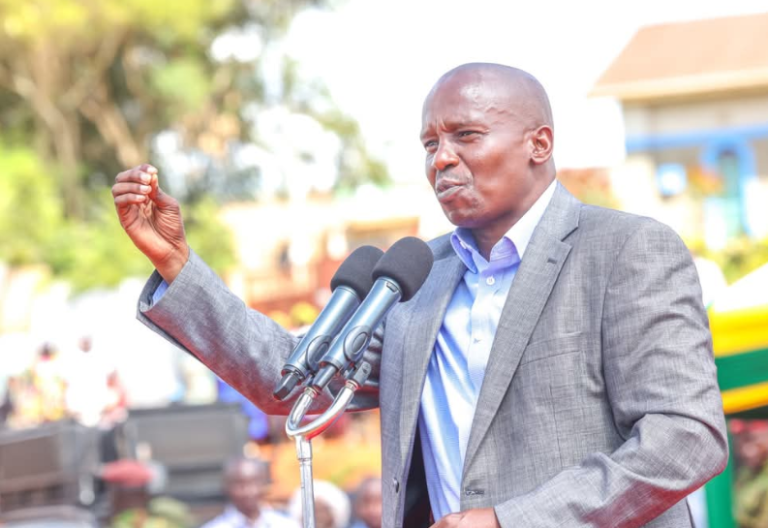
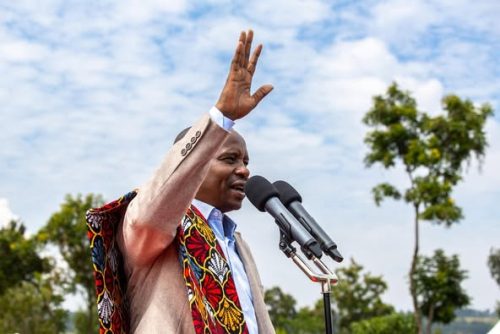
Deputy President Kithure Kindiki has reiterated the government’s commitment to safeguarding the progress made in Kenya’s education sector over the last two decades, declaring the gains irreversible despite ongoing public debate over education funding and capitation.
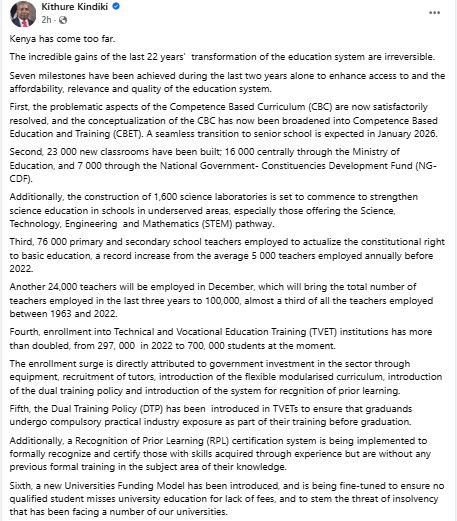
In a statement shared on his official social media accounts on Sunday, July 27, 2025, highlighting the milestones achieved in recent years, Kindiki emphasised that Kenya has come too far to reverse course on its transformational education journey.
Kindiki said that the education sector has come a long way over the last 22 years, and the changes made in just the past two years have set the stage for lasting progress.
Additionally, the deputy president added that within the past two years alone, seven key developments have significantly improved access, affordability, quality, and relevance of education across the country.
You Might Also Like


“Kenya has come too far. The incredible gains of the last 22 years’ transformation of the education system are irreversible. Seven milestones have been achieved during the last two years alone to enhance access to and the affordability, relevance and quality of the education system,” Kindiki said.
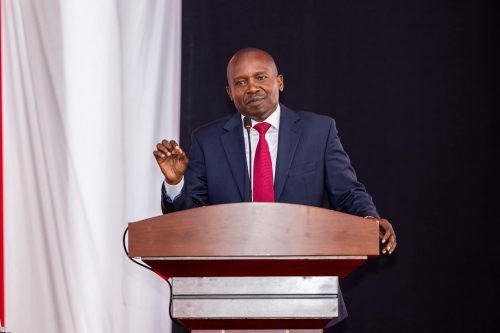
Kindiki on education reforms
Among the milestones cited is the successful resolution of major challenges surrounding the Competency-Based Curriculum (CBC), which has now evolved into a more holistic Competency-Based Education and Training (CBET) model. This transition sets the stage for a smooth rollout into senior school by January 2026.
“Second, 23 000 new classrooms have been built; 16,000 centrally through the Ministry of Education and 7,000 through the National Government Constituencies Development Fund (NG-CDF),” Kindiki stated.
“Another 24,000 teachers will be employed in December, which will bring the total number of teachers employed in the last three years to 100,000, almost a third of all the teachers employed between 1963 and 2022.”
Kindiki also pointed to the massive growth in Technical and Vocational Education and Training (TVET) enrolment, which has more than doubled from 297,000 in 2022 to over 700,000 students.
“Enrolment into Technical and Vocational Education Training (TVET) institutions has more than doubled, from 297 000 in 2022 to 700, 000 students at the moment,” he added.
On higher education, Kindiki highlighted the implementation of a new university funding model aimed at preventing qualified students from missing out on university due to financial constraints. At the same time, the model is designed to rescue public universities from looming insolvency.
Kindiki’s remarks come at a time when confusion over the government’s education capitation strategy has sparked criticism from opposition leaders and education stakeholders.
Author
Latest News







Advertisement
More on News