IMF reveals why Kenya, EAC govts borrow more, spend less on development
By Aloys Michael, April 18, 2026Across East Africa, a difficult fiscal reality is taking hold: governments are borrowing more, even as their ability to spend on development continues to shrink.
A new report by the International Monetary Fund warns that rising debt burdens and declining external support are forcing governments into increasingly constrained budget decisions.
At the heart of the issue is a shift in how countries finance their economies. With foreign aid declining, many governments are turning to borrowing to fill the gap. But this borrowing is coming at a higher cost.
“Higher effective interest rates and the decline in official development assistance have raised the share of revenues devoted to interest payments,” the IMF notes in its April 2026 Regional Economic Outlook released on Thursday, April 16, 2026.
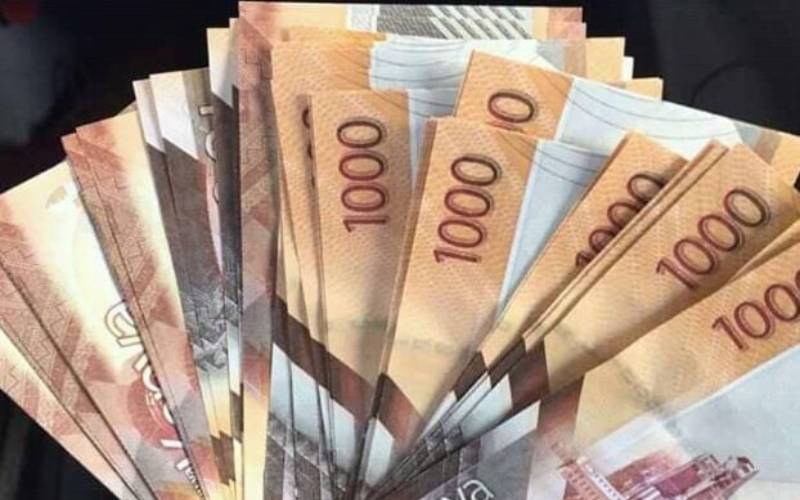
This shift is having far-reaching consequences. As more government revenue is diverted toward servicing debt, less is available for essential public investments.
The report projects that fiscal deficits across sub-Saharan Africa will rise to about 3.2 per cent of GDP in 2026, reflecting mounting pressure on public finances.
At the same time, debt vulnerabilities remain elevated, with more than one-third of the region at high risk of, or already in, debt distress, limiting governments’ ability to respond to new shocks.
For East African countries such as Kenya, Uganda, and Tanzania, the implications are increasingly visible on the ground.
Stalling projects
Infrastructure projects are slowing or stalling. Hospitals are struggling with limited equipment and staffing. Education systems are under strain as budgets tighten.
“The debt service burden is also elevated, which risks crowding out priority development expenditures, including healthcare, education, and basic services such as water and energy access,” the IMF warns.
This dynamic, where debt repayment takes precedence over development, has become one of the defining economic challenges for the region.
In practical terms, it means governments are making harder trade-offs. Spending on long-term development projects is often the first to be cut or delayed, as countries prioritise meeting immediate financial obligations and maintaining macroeconomic stability.
Furthermore, borrowing itself is becoming more difficult as the international lender says tightening global financial conditions and rising sovereign borrowing costs, particularly for countries with weaker fiscal positions. This creates a feedback loop: as borrowing becomes more expensive, debt servicing costs rise further, placing even greater pressure on budgets.

Countries borrow to offset declining revenues or external funding. But as debt accumulates, interest payments grow, forcing governments to cut spending or borrow again, often at higher rates.
“Fiscal deficits are larger than what is required to stabilise debt in many countries,” the report observes.
Breaking out of this cycle will not be easy, according to the IMF.
The report recommends a combination of measures, including stronger domestic revenue mobilisation, improved spending efficiency, and better prioritisation of public investments. Governments are also urged to protect high-return social and development spending, even as they pursue fiscal consolidation.
However, these reforms come with political and social challenges, particularly at a time when rising living costs are already straining households.
For citizens across East Africa, the consequences of these fiscal pressures are not abstract. They are reflected in everyday experiences: higher taxes, reduced public services, and delayed development projects.
As global uncertainties persist and external financing conditions tighten, the region faces a critical question: how to balance the need for financial stability with the urgent demand for development.