Advertisement
Africa’s debt crisis deepens as interest outpaces health spending-report
Saturday 11th April, 2026 12:40 AM|
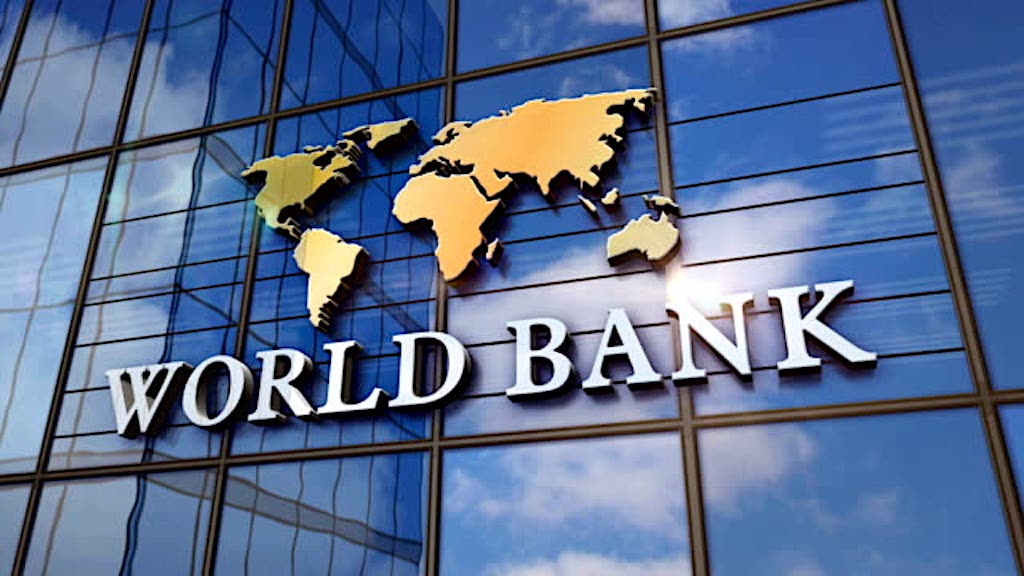
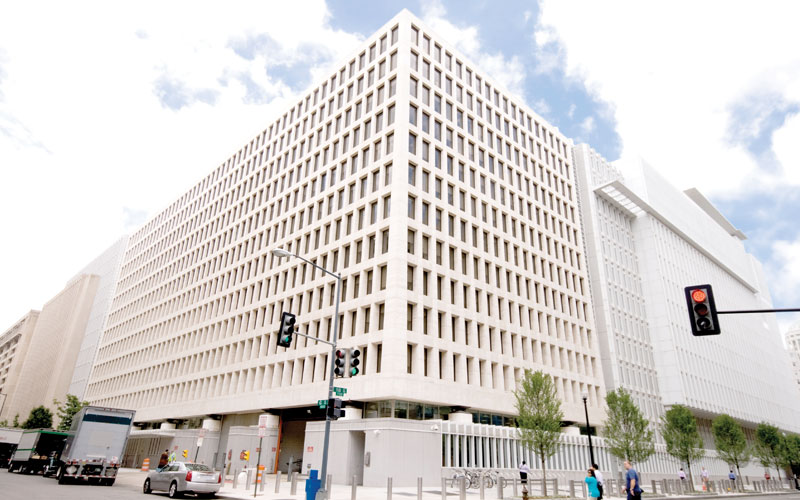
A new warning from the World Bank has laid bare a stark reality confronting African economies: governments are now spending more on debt servicing than on critical sectors such as health and education, signalling what experts describe as a full-blown development crisis.
In its April 2026 Africa Economic Update released on Friday, April 10, 2026, the lender paints a troubling picture of rising fiscal pressure across the continent, with Kenya and its East African Community (EAC) peers caught in the tightening grip of debt obligations.
“This is not just a debt crisis, it is a development shutdown,” the report warns, noting that “mounting interest payments exceed public spending on health or education in four out of five African countries.”
Across Africa, debt servicing is consuming an ever-larger share of national revenues. The report shows that external debt service-to-revenue ratios are projected to rise sharply, from 15.4 per cent in 2024 to about 18.2 per cent in 2025.
You Might Also Like


For countries like Kenya, where public debt has surged in recent years, the implications are already visible. Budget allocations are increasingly squeezed, leaving limited fiscal room to fund hospitals, schools, and social protection programmes.
The consequences are not abstract; they are being felt in everyday life. Hospitals remain underfunded. Classrooms are overcrowded. Infrastructure projects stall midway.
Yet billions continue flowing to creditors.
East Africa feeling the heat
Within the East African Community, the debt squeeze is becoming a shared challenge. Countries including Uganda, Tanzania, and Rwanda are grappling with rising repayment obligations amid constrained revenues.
While some governments have attempted fiscal consolidation, cutting spending and increasing taxes, the World Bank notes that these efforts are being undermined by persistently high interest payments.
“Despite progress in balancing revenues and expenditures, the overall deficit remains elevated due to persistently high net interest payments on public debt,” the report states.
This means that even as governments tighten their belts, debt continues to eat first.
Perhaps most alarming is the scale of vulnerability across the continent.
The World Bank estimates that nearly half of African countries, 25 out of 48, are either already in debt distress or at high risk of falling into it.
Low-income countries are the hardest hit, with limited buffers to absorb shocks such as rising global interest rates, currency depreciation, or external crises.
For Kenya and its neighbours, this raises urgent questions about sustainability.
How long can governments continue servicing debt at the expense of development? And what happens when citizens begin to feel the full weight of these trade-offs?
From crisis to consequences
The debt burden is not just a macroeconomic issue; it is reshaping the social contract between governments and citizens.
With limited fiscal space, policymakers face difficult choices: raise taxes, cut spending, or borrow even more.
Each option carries political and economic risks.
At the same time, external shocks, from global conflicts to volatile commodity prices, are compounding the problem, further straining already fragile economies.
The result is a cycle that is becoming increasingly difficult to break.
The World Bank is calling for urgent reforms, including better debt management, stronger domestic revenue mobilisation, and more efficient public spending.
But it also acknowledges the constraints.
“Debt vulnerabilities remain historically high,” the report cautions, emphasising that current efforts have merely contained, not resolved, the crisis.
For Kenya and the wider EAC, the stakes could not be higher.
Without decisive action, the region risks slipping deeper into a debt trap where growth slows, inequality widens, and development stalls.
Author
Latest News







Advertisement
More on Business