Advertisement
Hunger, Ebola crisis deepens in DRC as WHO tightens safety measures
Thursday 28th May, 2026 09:52 AM|
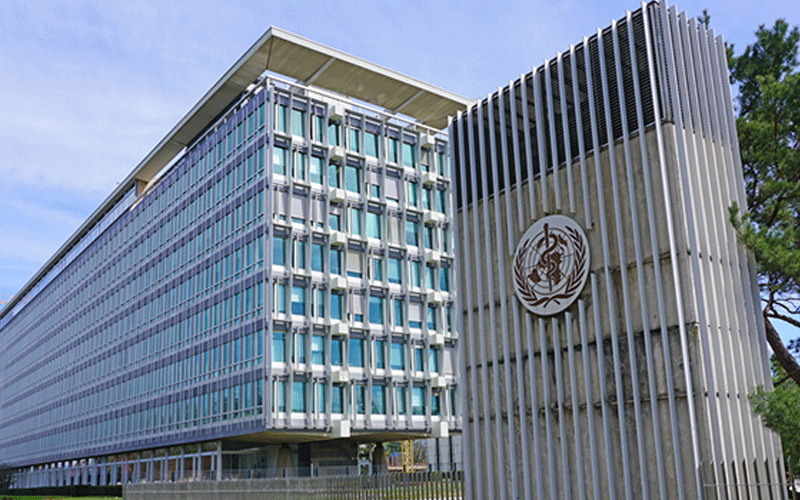
The Ebola outbreak in eastern Democratic Republic of the Congo (DRC) is accelerating in a fragile environment where conflict, hunger, and collapsing health access are compounding a deadly public health emergency, the World Health Organisation (WHO) has warned.
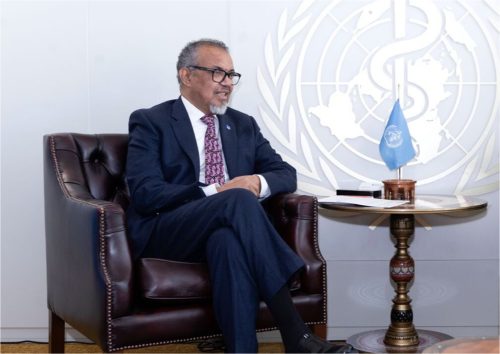
In a statement on Thursday, May 28, 2026, WHO Director-General Tedros Adhanom Ghebreyesus said the Ebola Bundibugyo virus outbreak in Ituri province is spreading under extreme insecurity.
“We cannot build community trust or isolate the sick while bombs are falling,” he said, adding that violence is directly undermining containment efforts.
The Bundibugyo strain, first identified in Uganda in 2007, currently has no approved vaccine or treatment. Health agencies report nearly 1,000 suspected cases and more than 220 suspected deaths across the region, although only one fatality has been laboratory confirmed.
You Might Also Like
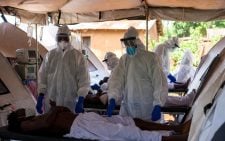

In neighbouring Uganda, seven confirmed cases have been linked to the outbreak, including healthcare workers and one confirmed death.
The outbreak, initially concentrated in Ituri, has now spread across 11 health zones, reaching parts of North Kivu and South Kivu, according to the United Nations Children’s Fund.
Transmission is occurring through family clusters, caregiving, health facilities, and unsafe burial practices, with cross-border spread now confirmed.
Conflict in eastern DRC, driven by armed groups including CODECO militias, the Allied Democratic Forces, and M23, has severely weakened the response. A recent MONUSCO assessment by the United Nations Organisation Stabilisation Mission in the DRC documented widespread attacks on villages and health facilities, mass displacement, and disrupted humanitarian access.
Food insecurity
The crisis is worsening alongside catastrophic food insecurity. According to the Integrated Food Security Phase Classification, nearly 10 million people in conflict-affected provinces are facing acute hunger, while 26.5 million nationwide experience high levels of food insecurity. Tedros warned of the deadly overlap.
“Hunger and disease are old companions. People weakened by hunger are far more vulnerable to infections,” WHO stated.
“In many affected areas, health facilities are either non-functional or operating under severe constraints due to insecurity. Poor road conditions further restrict the movement of goods and humanitarian assistance.”
Children are among the most affected, according to UNICEF, facing not only infection risk but also disruption of nutrition, education, and protection services.
Many are left orphaned or stigmatised in communities gripped by fear of Ebola.
With insecurity limiting access, health workers warn that the combination of Ebola, hunger, and displacement could fuel further uncontrolled spread unless humanitarian corridors and trust-building measures are urgently restored.
Author
Latest News







Advertisement
More on News