Advertisement
Human rights activists call for refugees integration
Thursday 31st July, 2025 02:20 AM|
It’s high time for the governments in the region, especially Kenya and Uganda, which host a larger number of people running away, either from conflicts or political persecution in their countries, to put together data on the economic contribution of refugees they host.
Human rights defenders are arguing that perhaps this way, after establishing the value of commercial and professional investments by the refugees, the governments will fast-track their recognition and proper documentation.
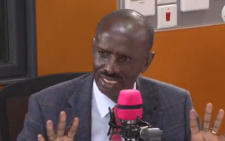
Lawyer Yussuf Bashir cautioned that the continued perception of refugees as a security threat instead of a socio-economic capital will constantly undermine their contribution to the economy, which in most cases is missed in the overall Gross Domestic Product (GDP) statistics.
Bashir, the executive director, Haki na Sheria, said there’s a need to clarify numbers, in terms of available data on what refugees contribute to the economy.
You Might Also Like
“We are still a developing country, there are still challenges, but there has to be an analysis, because we’re also part of the East African community – which talks about freedom of movement within East Africa – a lot of people who may be actually termed as refugees might not be refugees, but rather citizens of other countries in the region who have come here to seek for employment and entrepreneurship opportunities,” he told journalists after a presentation on the gaps in access to legal documentation of refugees, a perspective shared by Ishimwe Jean Marie, East Africa Regional Lead for Refugees Seeking Equal Access at the Table (R-SEAT).
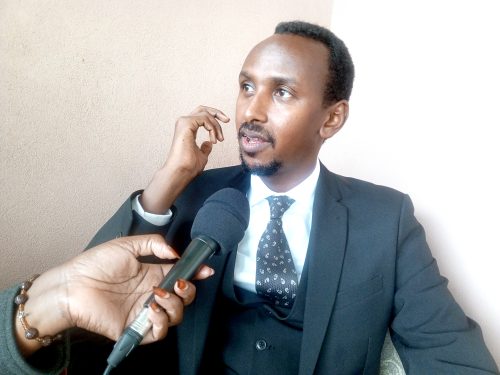
Jean Marie, a Rwandese trained journalist, noted that – to have a clear picture of a refugee’s contribution to the economic growth of their host countries – it’s urgent to have the refugees taking part in the campaign to secure the ID so that it can help solve the systemic challenges of documentation.
He argued that since Kenya is moving away from the encampment policy to a settlement approach, access to important documents such as work permits, Kenya Revenue Authority (KRA) certificate, among others, is still a challenge that requires urgent steps to solve, in order to enable them to participate fully in national development.
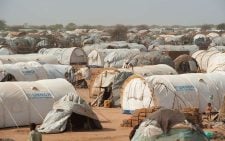
“Refugees are given documents by the government that has been very welcoming, but unfortunately, these issues, especially not being able to move freely, really make it difficult for refugees to move freely,” he said, noting that in a place like Kakuma where there are over 200,000 of them is as much as a home for many but doesn’t have enough opportunities.
Jean Marie is advocating for the government to facilitate the refugees’ easy movement from one place to another in a safe way to access opportunities.
“Movement must be one of those things that this campaign should be able to actually present in order to reduce the myriad bureaucratic processes, and access to the refugee ID,” he said.
According to Jean Marie, the ongoing campaign by the International Rescue Committee (IRC) brings the perspective of the change that needs to happen to make sure that refugee documentation is seen as a gateway for inclusion.
“So access to KRA PIN is integral for accessing job opportunities such as consultancy, and even actualising that government memo that said that refugees should be able to use their refugee ID to access M-PESA, which is important for informal jobs and, I mean, just anyone really for financial inclusion,” he added.
The IRC has been running a refugee documentation campaign, and yesterday it hosted human rights defenders, legal experts and Civil Society Organisations (CSOs) in a consultative forum to review the progress and draw a roadmap for the next steps.
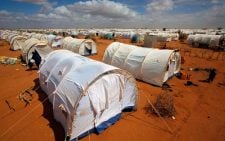
According to Bashir, access to employment and freedom of movement are the major rights that are still pending for refugees, which has led to a situation whereby they are always locked up in Dadaab and Kakuma, with few opportunities in those camps.
And while observing that with the Refugee ID further limiting their movement, they have been exposed to major challenges, and therefore, an urgent need for the government to ensure the full implementation of Section 28 of the Refugee Act.
“The Refugee ID should at minimum be the same as the ID that’s held by a foreign national, and refugees should be able to move, access employment, so that they can be at par,” he added.
Author
George Kebaso
View all posts by George KebasoLatest News





Advertisement
More on News