Advertisement
Govt announces immediate measures to save livestock amid worsening drought
Friday 16th January, 2026 03:54 PM|

Agriculture Cabinet Secretary Mutahi Kagwe has ordered the creation of the National Feed Reserve (NFS) to stop the Ksh50 billion loss of the livestock economy as drought begins in some parts of the country.
With over 2,5 million livestock swept by the dry spell, Kagwe said the government is shifting from reactive aid to a permanent stockpile strategy.
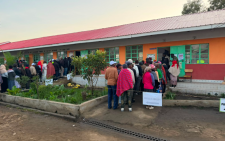
“It is important for the county governments plan and strategise on how we can preserve animal feeds. We know for a fact that a drought is coming. Let us prepare for drought as we prepare both animal and human food,” he said on Friday, January 16, 2026, during the commissioning of the ECDE classroom in Kieni West, Nyeri County.
“The government will establish national animal feed reserves to protect livestock and pastoralist livelihoods from recurring droughts that have previously wiped out over 2.5 million animals and caused losses exceeding Ksh50 billion.”
F/X
You Might Also Like


This comes as the State confirms that it has disbursed funds to the north-eastern region in efforts to curb urgent threats of drought affecting the area.
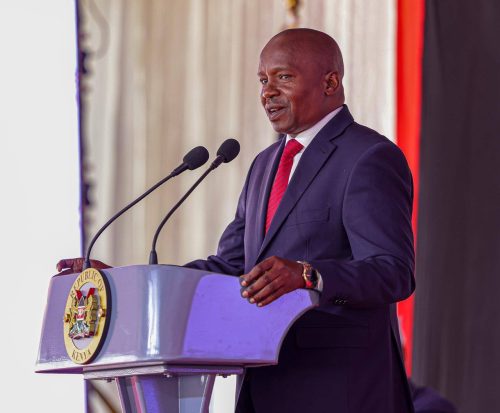
Announcing the development on Wednesday, January 14, 2026, Deputy President Kithure Kindiki noted that the government has made arrangements to ensure enough food is available for all Kenyans, especially in the arid and semi-arid areas.
He said the government had disbursed more than Ksh6 million in two phases toward drought mitigation and appealed to Kenyans to stay calm as efforts to address the crisis are stepped up.
Humanitarian aid
“During the holiday season, towards the end of December, the treasury released ksh2.5 billion to the special programs department. Last week, another ksh3.5 billion was released,” Kindiki stated.
“I want to assure every Kenyan that there is no need to panic. This is something that will affect the country in the short term, but the government has made arrangements to make sure that we provide enough food and also to save their livestock,” he added.
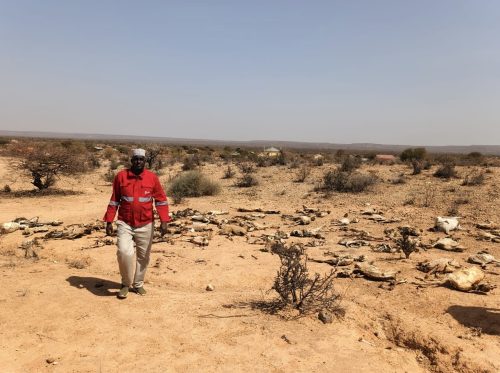
Drought has continued to affect most areas, especially in northern Kenya, severely. A report by the Kenya Red Cross Society revealed that in Rhamu Sub-County in Mandera County, over 70 livestock had perished from the droughts, highlighting high needs for intervention.
Citing acute water shortages, the Red Cross provided 28,000 litres of water to residents, alongside other essential supplies, including food.
Council of Governors (CoG) chair Ahmed Abdullahi said the drought has affected the prices of essential needs. He also says that it has drastically affected pregnant and lactating mothers and young children, especially those below the age of five years.
“The prolonged dry conditions are accelerating pasture depletion and limiting natural regeneration. Staple food prices have risen. Key concern is increased reliance on food assistance and increased risks of acute malnutrition, especially among children and pregnant and lactating women,” Abdullahi stated.
The move follows a recent government appeal to the international community for support in addressing a drought expected to impact several counties in the first quarter of 2026.
Author
Latest News







Advertisement
More on News