Advertisement
Fuel charge cost constant for 6 straight months now
Tuesday 19th July, 2022 03:23 AM|
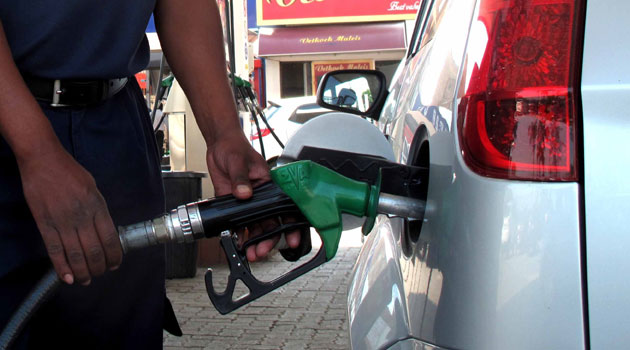
The fuel cost charge on consumer electricity bills has remained unchanged for six months to ensure a 15 per cent cut in prices is sustained, says the government.
Fuel cost charge (FCC) is the added cost to consumers as a result of fluctuations in world oil prices, as well as variations in the quantity of oil consumed by electricity generation.
“Pursuant to the close of the schedule of tariffs 2018, notice is given that all prices of electrical energy specified will be subject to a fuel energy cost charge of plus 463 cents per Kwh for all meter readings to be taken in July 2022,” ERC director general Daniel Bargoria said in the gazette notice.
This money is collected by Kenya Power and passed directly to electricity generation companies, who in turn pay fuel suppliers.
President Uhuru Kenyatta last week extended the fuel subsidy with a Sh16 billion kitty in the final month of his tenure, as excessive inflation inhibits growth amid a global recession.
The cost of electricity was expected to go down by 30 per cent this year but this was split in two, with the first phase being implemented in March this year and the next phase left for the next government to oversee.
Despite these, the cost of domestic electricity has dropped from Sh18.7 per Kwh last November to Sh15.9 per Kwh to date, with domestic demand ranging at 50-1500Kwh monthly.
For manufacturers, prices have dropped from Sh13.5 per KWh in November last year to Sh11.9 per Kwh.
The comparison in analysis is by Globalpetrolprices, which tabulates global petrol and energy prices.
At the time, the cost of electricity was $0.222(Sh24.65) per kilowatt (kWh) in Kenya, compared with a global average of $0.136(Sh15.10) per kWh for households. As oil prices surged in the past few months, the fuel cost charge has been at 463 cents per Kwh since December 2021.
A presidential task force which started negotiations with stakeholders in the private sector to lower the cost of fuel, set aside the first phase to sort operational inefficiencies at Kenya Power. The second phase is expected to come from tariff reviews with Independent Power Producers.
Last August, President Kenyatta promised to reduce electricity tariffs by 33 per cent through review of power purchase agreements (PPAs) signed over the years.
Author
John Otini
View all posts by John OtiniLatest News






Advertisement
More on News