Finance Bill 2026: Passaris defends MPs’ approval, says debate must shift to implementation
By Emmanuel Rono, June 19, 2026Nairobi Woman Representative Esther Passaris has defended the MPs who voted for the Finance Bill 2026, stating that the legislation underwent thorough scrutiny and amendments before being approved by lawmakers.
In a statement on her X account on June 19, 2026, Passaris said she had been closely following developments surrounding the Bill and emphasised that Parliament had fulfilled its constitutional mandate by debating, amending, and voting on the proposed legislation.

“I have followed the passage of the Finance Bill 2026 by the National Assembly,” she said.
Changes in the bill
The legislator noted that the version approved by MPs was significantly different from the one initially tabled before the House, arguing that public concerns and parliamentary deliberations had informed changes to the bill.
“Parliament’s role is to debate, amend, and make decisions in the best interests of the country. The Bill that has passed is not the same as the Bill that was tabled; it has undergone scrutiny, amendments, and voting by elected representatives,” Passaris stated.
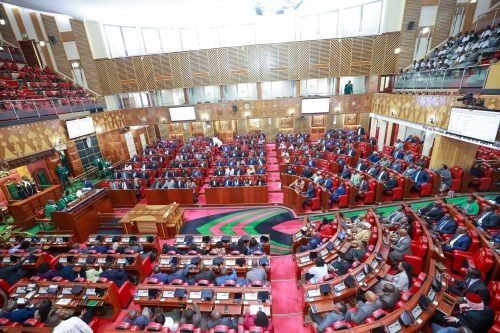
She said lawmakers are often required to strike a delicate balance between raising revenue for government operations and safeguarding the welfare of citizens.
“As legislators, our responsibility is to balance revenue generation, economic growth, job creation, and protection of vulnerable Kenyans,” she said.
Passaris, however, stressed that the enactment of the Bill should not mark the end of public engagement on the matter, calling for close monitoring of its implementation and impact on wananchi.
“The conversation does not end with the passage. Implementation, accountability, and ensuring that the intended benefits reach wananchi are equally important,” she said.
Finance Bill voting
According to the official tally by the speaker of the National Assembly, Moses Wetangula, on June 18, 2026, the Ayes comprised 103 electronic votes and 19 manual votes, while the Nays comprised 36 electronic votes and 4 manual votes.
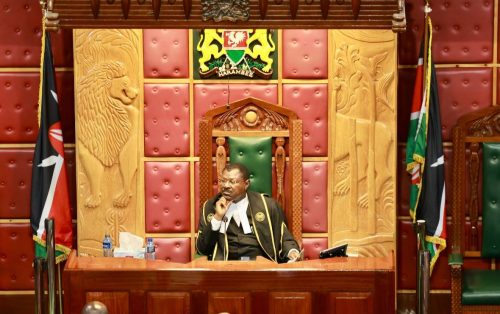
“The results of the vote are as follows: on the third reading of the finance bill, the ayes, electronic vote 103, manual vote 19, total 122. The nays: electronic vote 36, manual vote 4, total 40. Abstentions nil, so the results, the ayes have it,” Wetangula said.