Advertisement
CS Kagwe warns drought and rice shortages could push Kenya into food crisis
Tuesday 06th January, 2026 05:39 PM|

Agriculture Cabinet Secretary Mutahi Kagwe has warned that Kenya is teetering on the brink of a food crisis as drought disrupts production, rice supply gaps widen, and prices threaten to trigger broader food inflation.
In a statement posted on the Ministry of Agriculture’s Facebook account on Tuesday, January 6, 2026, Kagwe painted a stark picture of mounting food security challenges, with acute food insecurity in Arid and Semi-Arid Lands potentially doubling if interventions fail.
“Kenya is edging closer to a food crisis as drought disrupts production, rice supply gaps widen, and prices begin to wobble,” he stated.
Massive rice deficit
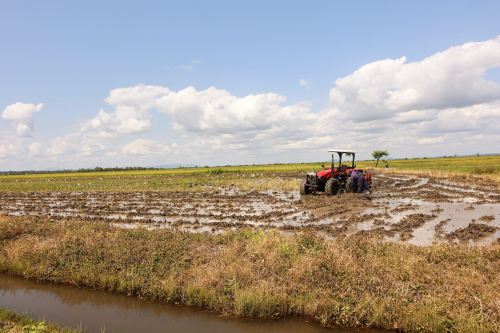
According to the CS, rice is under significant pressure due to falling domestic output and erratic rainfall, cautioning that this volatility could trigger a broader wave of food inflation, affecting maize and other essential commodities.
You Might Also Like



“With rice now a key staple in urban and ASAL households, falling domestic output and erratic rainfall are already fuelling volatility and threatening a broader food inflation wave that could hit maize and other essentials,” Kagwe stated.
Kagwe further attributed Kenya’s rice production crisis to its heavy dependence on imports, with domestic production covering less than 20% of national consumption.
“Kenya produces less than 20% of the rice it consumes. By early 2026, the deficit is projected to exceed 380,000MT, with demand between January and June alone estimated at 750,000MT. Local stocks cannot fill this gap,” Kagwe revealed.
ASAL food insecurity
The CS warned that acute food insecurity in ASAL counties could surge dramatically without prompt government intervention.
“Acute food insecurity in ASAL counties could surge from 1.8M to 3.5M people if interventions stall,” Kagwe stated, indicating that the number of Kenyans facing severe hunger could nearly double.
Adding to the urgency, he revealed that the High Court is currently considering a legal challenge to the government’s decision to allow time-bound, duty-free rice imports to stabilise supply and prices.
“The High Court is considering a challenge to the Government’s move to allow time-bound, duty-free rice imports to stabilise supply and prices,” he said.
The Cabinet Secretary warned that delays in implementing the duty-free import window risk turning climate stress into a full-blown hunger crisis.
“The ruling, due on January 29, 2026, will carry real consequences for food prices, household budgets, and the constitutional right to food at a moment when delay risks turning climate stress into a full-blown hunger crisis,” he added.
Author
Cy Muganda
View all posts by Cy MugandaLatest News








Advertisement
More on News