Advertisement
Consumers’ Federation flags toxic pesticide use, demands strict enforcement
Sunday 19th April, 2026 11:20 AM|

The Consumers Federation of Kenya (COFEK) has raised concerns over the widespread use of highly toxic pesticides in the country, warning of serious risks to public health, food safety, and the environment.
In a statement on Sunday, April 19, 2026, COFEK claimed that nearly 48 per cent of pesticides registered in Kenya are considered dangerously toxic by global safety standards.
The federation also cited concerns over pesticide residues detected in soils, vegetables sold in markets, and water sources in areas including Kisumu and Naivasha.
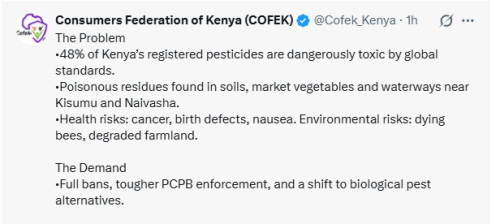
“The Problem: 48 per cent of Kenya’s registered pesticides are dangerously toxic by global standards, poisonous residues found in soils, market vegetables and waterways near Kisumu and Naivasha,” COFEK stated in their official X post.
Impact on health
You Might Also Like

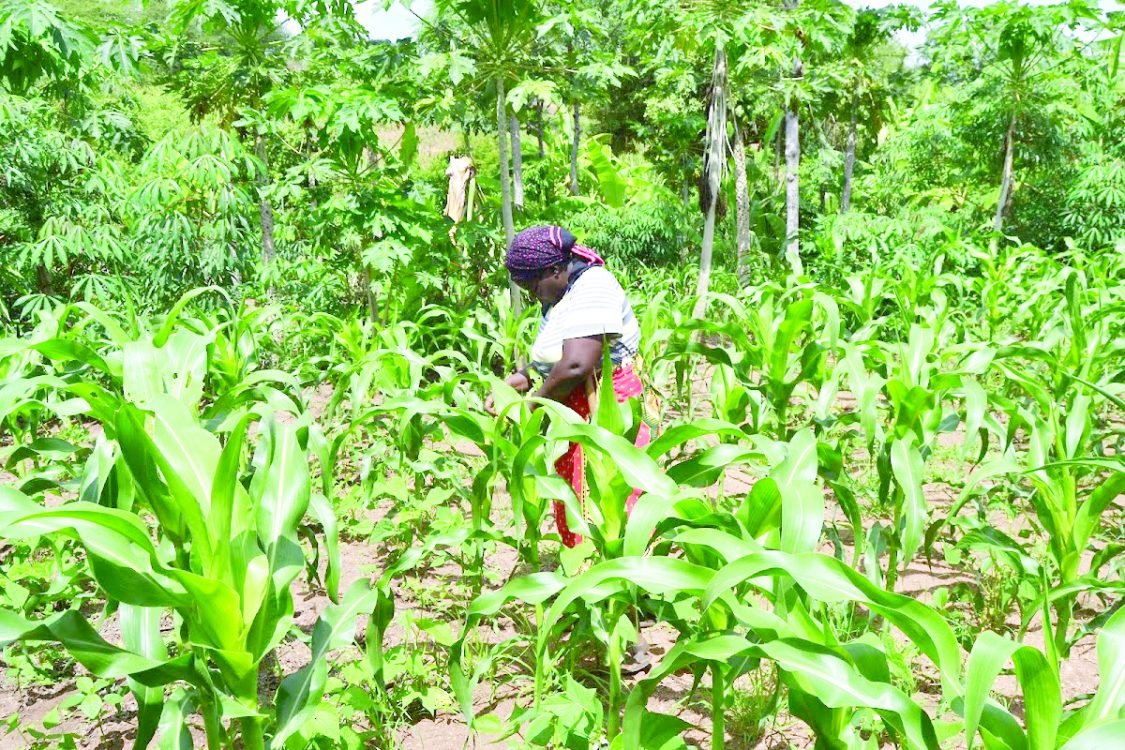

COFEK warned that continued exposure to such chemicals could be linked to long-term health effects such as cancer, birth defects, and acute symptoms, including nausea.
The federation noted that environmental concerns, pointing to declining bee populations and degraded agricultural land, are possible consequences of intensive chemical use in farming.
“Health risks: cancer, birth defects, nausea. Environmental risks: dying bees, degraded farmland,” COFEK said.
The federation has called for urgent regulatory action, including a full ban on highly toxic pesticides, stronger enforcement by the Pest Control Products Board, and a transition towards biological and agroecological pest control methods.
“The Demand: Full bans, tougher PCPB enforcement, and a shift to biological pest alternatives,” COFEK stated.
Why COFEK supports this
COFEK said that the presence of pesticide residues in food sold in local markets is a violation of consumers’ rights under Kenya’s Consumer Protection Act, which says that goods offered to the public must be safe for consumption.
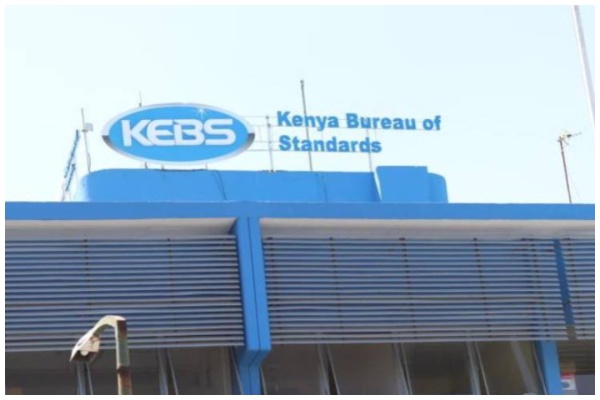
The federation also questioned the effectiveness of existing oversight institutions such as the Kenya Bureau of Standards, saying weak enforcement has allowed unsafe products to remain in the food system.
It said accountability should go beyond farmers to importers, distributors, and regulators.
“Poisoned food on market shelves, consumer rights violation, plain and simple. Kenya’s Consumer Protection Act demands safe products; pesticide-laced vegetables breach that duty,” COFEK stated.
“Polluters, importers, distributors, and regulators must be held accountable, not just farmers. Safer, affordable food through agroecology aligns directly with COFEK’s mandate.”
Author
Latest News








Advertisement
More on News