Advertisement
Why removing PS Julius Bitok might not fix Kenya’s education crisis
Wednesday 10th June, 2026 07:01 AM|

The transfer of former Basic Education Principal Secretary Julius Bitok from the Education Ministry to the Tourism docket on June 9, 2026, has been interpreted by many as a response to mounting pressure over challenges facing Kenya’s education sector.
The removal might solve some of these issues, but for critics frustrated by delayed capitation funds, teacher shortages, infrastructure deficits and the implementation of reforms, the move may appear to signal accountability.
The belief that removing one from the docket will cure the sector’s deep-seated problems is misguided.
The education challenges
Kenya’s education challenges are systemic, decades in the making, and rooted in policy, funding and governance issues that extend far beyond the office of a single principal secretary or the cabinet secretary.
You Might Also Like



The temptation to celebrate Bitok’s exit as a solution is understandable since public anger has grown as schools struggle with financial constraints and stakeholders demand answers.
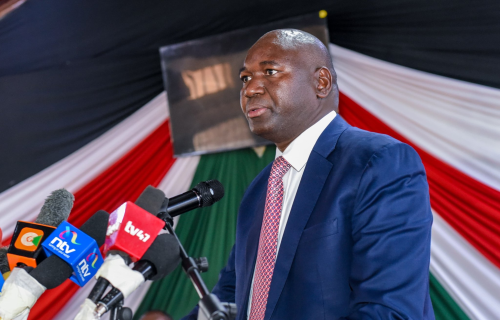
However, personnel changes often create an illusion of action for the incoming person to the office, even though leaving the underlying causes of a crisis untouched.
If the government is serious about fixing education, it must confront the structural weaknesses that have persisted under successive administrations rather than treating leadership reshuffles as a substitute for new reform.
Questions surrounding learner pathways, classroom infrastructure, teacher staffing, funding, and the overall preparedness of institutions remain largely unresolved.
Gaps in the implementation of CBC
The transition to the Competency-Based Curriculum (CBC) has indeed exposed several gaps in planning and preparedness within Kenya’s education system.
The curriculum, which is now yielding fruits, was introduced to equip learners with practical skills and competencies, but its implementation was met with challenges that cannot be attributed to one individual.
Parents continue to face an increasing financial burden as they are required to provide learning materials and meet additional costs associated with the new system. At the same time, teachers have had to adapt to new responsibilities, often without sufficient training, support, or teaching resources.
Many schools, particularly in rural and marginalised areas, are still struggling to meet the infrastructure requirements needed to effectively implement CBC.
Author
Emmanuel Rono
Rono is a digital journalist with a proven track record in newsroom leadership and content creation. Currently a Digital Writer for People Daily Digital, Emmanuel’s career is rooted in a lifelong passion for storytelling. Let's talk here: [email protected] or [email protected]
View all posts by Emmanuel RonoLatest News








Advertisement
More on Insights