Advertisement
Civil society pressures govt to publish IMF governance report in 30 days
Wednesday 06th May, 2026 12:28 PM|

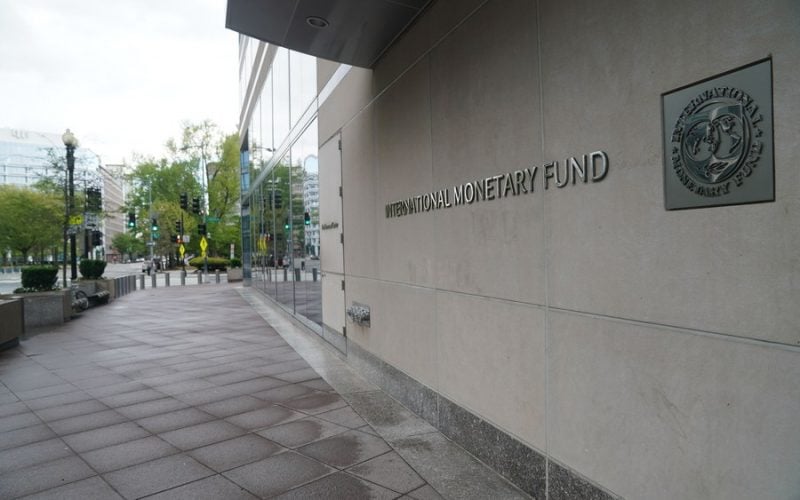
Civil society organisations, including the Kenya Human Rights Commission (KHRC) and the Okoa Uchumi campaign, are calling on the National Assembly to require the government to make public the International Monetary Fund’s Governance and Corruption Diagnostic Report on Kenya within 30 days.
The petition has also been endorsed by Transparency International Kenya, Amnesty International Kenya and Oxfam Kenya, among others.
In a formal petition submitted to Parliament on Tuesday, May 5, 2026, the groups argue that the report, commissioned by the Kenyan government and conducted by the IMF, contains critical findings on systemic governance weaknesses, corruption vulnerabilities and institutional gaps affecting the management of public resources.
Despite being completed and handed over to the government, the report has not been made public.
You Might Also Like


The groups say the document is of significant public interest, particularly as Kenyans face rising taxes, a high cost of living and growing concerns over public debt management.
“At a time when Kenyans are being required to bear increased taxation and other economic adjustment measures in the name of fiscal stability, it is both reasonable and just that citizens and their elected representatives have access to information on governance weaknesses and corruption risks affecting the raising and use of public resources,” the petition read in part.
“Disclosure of the Governance and Corruption Diagnostic would strengthen accountability, enable meaningful public participation and help restore public confidence in ongoing economic reforms.”
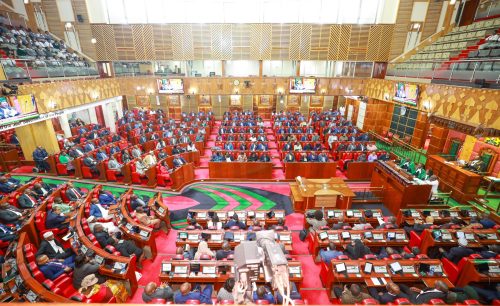
Moreover, the petition is addressed to Speaker Moses Wetang’ula and several key parliamentary committee chairpersons, including those overseeing finance, budget, justice and public accounts.
The civil society groups want Parliament to exercise its constitutional oversight role and ensure the document is tabled, scrutinised and made accessible to the public.
According to the petition, the IMF conducted the diagnostic assessment in mid-2025, examining governance challenges across key sectors such as public financial management, procurement systems, tax administration, state-owned enterprises and anti-corruption enforcement mechanisms.
The process included consultations with government agencies, oversight bodies and civil society actors.
However, the petitioners raised concerns that the government has already begun implementing some recommendations from the report internally, without allowing Parliament or the public to review its contents.
“This selective engagement with the report, without allowing Parliament or the public to scrutinise its contents, undermines the principles of transparency and public participation that should underpin governance reform,” the petition states.
Important policy decisions
The groups also warn that key policy decisions tied to IMF-supported programmes, including fiscal reforms, debt management strategies and the operation of new financing mechanisms such as the National Infrastructure Fund (NIF), could be influenced by the report’s findings.
Among their demands, the petitioners urge Parliament to table the full, unredacted report before the National Assembly and provide a formal government response outlining planned reforms.
They also asked Parliament to facilitate public hearings and participation in reviewing the report and bar any new IMF-supported lending programme until the report is disclosed and debated.
The groups maintain that making the report public would align Kenya with international best practices on fiscal transparency and help restore public confidence in ongoing economic reforms.
Parliament is expected to consider the petition in line with its standing orders, which provide for citizen submissions on matters within its mandate.
Author
Latest News



Advertisement
More on News