Advertisement
Caleb Amisi blasts CS Wandayi over expected fuel crisis
Thursday 12th March, 2026 09:14 AM|

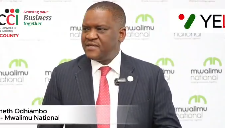
Member of Parliament (MP) for Saboti Caleb Amisi has strongly criticised Energy Cabinet Secretary Opiyo Wandayi, saying the government is not adequately prepared for a looming fuel crisis.
Amisi was speaking in a local TV interview on Thursday, March 12, 2026, where he urged the Ministry of Energy to be transparent with Kenyans about the potential challenges ahead.
“The minister seems not to be on top of things. It is a disaster in waiting; let them come out and not pretend and assure Kenyans,” Amisi said.
The warning comes as the conflict in the Middle East continues to cause problems with the supply of oil around the world. It is harder to get crude oil because of the war, which has raised prices and made it more likely that Kenya will run out of fuel.
You Might Also Like



According to government sources, they are considering backup plans like strategic fuel reserves and changes to imports, but they haven’t given any specifics yet. MPs and people in the industry have criticised the lack of clear communication and are asking the ministry to tell the public about possible effects on fuel prices and availability.
Amisi’s statement highlights growing concerns that without proactive planning, Kenya could face long queues at petrol stations and higher transport costs, putting additional strain on households and businesses.
Gulf War
This caused Iran to retaliate seriously in the form of the expansion of the war in the Gulf region and the entry of various players.
One of the most critical flashpoints has been the Strait of Hormuz, an essential maritime passageway through which global crude oil and liquefied natural gas (LNG), through which an estimated 20 per cent of the global output is usually transited, flow.
The situation in the region due to fighting and security threats has been successful in disrupting the shipping activities, and many tankers have been involved, either stopping their operations or evading the route.
The energy flows have been broken, and this has triggered a lot of volatility in the world markets, with oil prices skyrocketing as the uncertainties surrounding the supply become deeper.

The large producers of Iraq, Saudi Arabia, Qatar and the United Arab Emirates have experienced logistical problems and a reduction of production caused by limited access to tankers and increased dangers to infrastructure.
The world is in the process of stabilising its energy markets with the biggest-ever coordinated release of oil reserves by members of the International Energy Agency (IEA), but the markets are very sensitive to the period of the conflict and whether key oil transit routes, such as the Strait of Hormuz, are safely reopened.
There are no de-escalation signals in the conflict yet, and geopolitical tension remains the determining factor in the dynamics of oil supply and economic prognoses in the world.
Author
Latest News






Advertisement
More on News