Advertisement
Breastfeeding magic bullet in saving lives
Tuesday 22nd July, 2025 02:40 AM|

Kenya will require magic to achieve five key Sustainable Development Goals (SDGs) with just four years to the 2030 deadline.
Data shows a staggering 500,000 newborns missing out on exclusive suckling annually.
This means that the neonates are exposed to diseases like pneumonia and diarrhoea, with the country reporting 22 deaths per 1,000 live births, putting it at red in terms of achieving the SDGs.
Data with the World Health Organisation (WHO) shows that breastfeeding contributes to the achievement of multiple SDGs, particularly SDG 2 (Zero Hunger), SDG 3 (Good Health and Well-being), and SDG 5 (Gender Equality).
You Might Also Like

It also indirectly supports SDG 4 (Quality Education), SDG 8 (Decent Work and Economic Growth), and several others related to environmental sustainability.
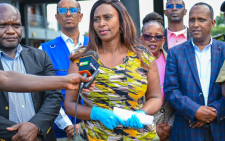
This explains why Kenya – which was on a good trajectory in the 1990s – has stagnated, according to Public Health and Professional Standards Principal Secretary Mary Muthoni.
Ms Muthoni called for urgent innovative efforts to reverse the situation.
She noted that early initiation of breastfeeding has dropped significantly from 62 per cent in 2014 to 60 per cent in 2022, with exclusive breastfeeding rates declining from 61 per cent to 60 per cent.
“These trends demand urgent and coordinated action to promote breastfeeding,” she said on July 21, 2025, in a recorded speech during a media sensitisation workshop ahead of the World Breastfeeding Week (WBW) in Nairobi.
Other worrying trends, according to the PS, include the significant increase in bottle feeding from 22 per cent to 34 per cent.
The PS revealed that the ministry is actively promoting the existing policies through key interventions it is currently scaling up.
Nutritionists have said that breastfeeding is one of the most powerful investments a country can make in the health, development, and survival of its children.
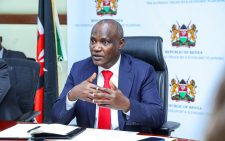
According to Dr Sultan Matendechero, the Deputy Director General of Health, while progress has been made, in Kenya, breastfeeding practices still face numerous challenges ranging from weak policy enforcement and health system gaps to aggressive formula marketing and social-cultural barriers.
In Kenya, for instance, only 61 per cent of infants are exclusively breastfed for the first six months, below the global target of 70 per cent by 2030.
The 2025 World Breastfeeding Week theme, “Prioritise Breastfeeding: Create Sustainable Support Systems, calls on all sectors, including health, education, labour, environment, and communities to work together to build resilient, long-lasting structures that protect, promote, and support breastfeeding.
He said there is a need for social programmes, while workplaces need to provide enabling environments for working mothers to breastfeed.
Author
George Kebaso
View all posts by George KebasoLatest News







Advertisement
More on News