Advertisement
Agencies plan to realign focus of HIV/Aids response on men, boys
Wednesday 20th November, 2024 01:00 AM|
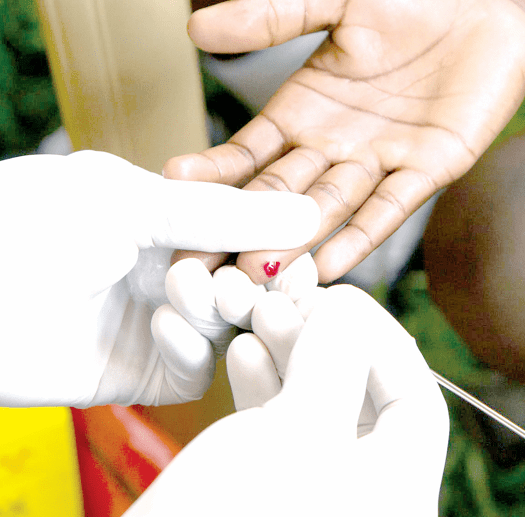
The National Syndemic Diseases Control Council (NSDCC) is using a recent survey by the National Authority for the Campaign against Alcohol and Drug Abuse (Nacada) to advocate for the well-being of men and boys for them to be fully involved in the HIV response.
In the survey, Nacada reveals that 11.7 per cent of school-going boys abuse drugs compared to 5.4 per cent of their opposite gender in the same age bracket. The authority pointed out that the prevalence of a lifetime usage of alcohol is higher among males at 49.7 per cent compared to 15.5 per cent among females.
“Alcohol and substance disorders are closely linked to criminal activities including sexual violence,” said Dr Caroline Kinoti, Deputy Director, Health Promotion and Capacity Development at NSDCC.
Speaking in Machakos where the Council brought together health reporters for a sensitisation workshop ahead of the World Aids Day on December 1, she called for attention on prevention, early prevention, and rehabilitation.
The Nacada survey revealed drivers of criminal activities in Kenya, besides social disorders related to drug and substance abuse, mostly involving males.
At 61.5 percent, unemployment is a major contribution to criminal activities in the country, and men take a huge portion. Nacada also shows that at 33.6 percent, idleness breeds criminality. Others are; poverty at 28.5 per cent and Alcohol, drug and substance abuse at 34.7 percent.
“There should be a deliberate, and collaborative effort to address these contributors if we were to end the Triple Threat as a milestone towards achieving our UNAIDS targets, and eventually end AIDS by 2030,” said Dr Kinoti.
Multiple partners
Kenya has the seventh largest HIV burden globally. Of all new adult infections, 38 per cent are among adolescents and young people aged 15–24 years and from these, based on data from the 2022 Kenya Demographic and Health Survey (KDHS), adolescent girls are four times more likely to be infected than their male counterparts.
“Majority of the transmissions are sexually motivated, and this means a man is involved. When you look at the uptake of Antiretroviral Therapies among adult females it is impressive, however for males, it’s dragging,” said Dr Kioko in a presentation titled ‘Promoting the Health and Well-Being of Men and Boys’
“In most communities, boys are often raised to believe that having multiple sexual partners proves their power of manhood, thereby increasing the risk of exposure to diseases such as HIV and sexually transmitted infections,” he said.
Author
George Kebaso
View all posts by George KebasoLatest News







Advertisement
More on News