Advertisement
6 Maasai Mara lions survive poisoning after KWS intervention
Monday 29th September, 2025 05:10 PM|

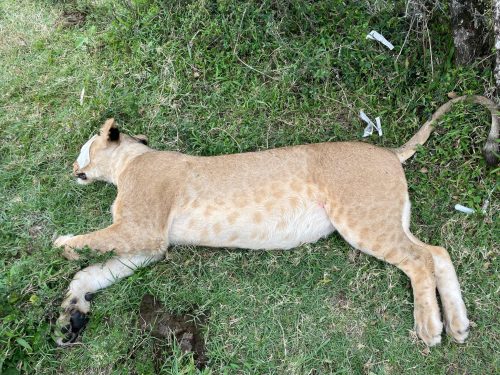
Six lions in the Maasai Mara’s Oleisukut Conservancy have survived suspected poisoning after quick action by the Kenya Wildlife Service (KWS) veterinary team.
In a statement posted on Monday, September 29, 2025, KWS confirmed that the pride showed signs of poisoning but received immediate emergency treatment.
The lions were stabilised, relocated to safety, and are now under close monitoring. Four of them have fully recovered, while two remain under veterinary care.
“KWS remains steadfast in its mandate to conserve and protect Kenya’s iconic species. Investigations into the source of the poisoning are ongoing, with continuous monitoring of the pride in place,” the agency said. It also reaffirmed its commitment to safeguarding wildlife for present and future generations.
A recurring threat
You Might Also Like

Poisoning of lions in Kenya is not new. In December 2015, two Maasai herdsmen were charged after claims of poisoning lions from the famous Marsh pride in the Mara. The incident led to the deaths of two lions, including Bibi, a 17-year-old female, while others suffered severe illness. At the time, officials said the poisoning was linked to retaliation after lions killed cattle.
More recently, conservation groups have warned of a rise in poisoning incidents in Amboseli and other ecosystems. In 2023, two lions named Noldupai and Loteletha were saved in separate poisoning cases after eating contaminated carcasses. In both cases, KWS and community guardians acted quickly to administer antidotes, with most of the lions surviving.
Traditionally, Maasai communities viewed the use of poison as cowardly. However, as human-wildlife conflict has intensified, poisoned carcasses have become a recurring threat to lions and other carnivores. Experts say agricultural chemicals are often misused, putting not only wildlife but also humans, livestock, and domestic animals at risk.
Human-wildlife conflict
The latest poisoning in Oleisukut shows the ongoing tension between communities and predators in conservation areas. Lions sometimes prey on cattle. Herders may retaliate by lacing dead livestock with toxic substances. Conservationists have stressed the need for peaceful coexistence and compensation measures to reduce such conflicts.
Wildlife experts also note that poison does not only kill lions. Scavengers such as hyenas, vultures, and jackals often feed on contaminated carcasses, spreading the impact across the ecosystem. This makes poisoning one of the deadliest threats to carnivores in Kenya.
Kenya is home to an estimated 2,500 lions, most of them found in the Maasai Mara, Amboseli, Tsavo, and Samburu. However, their population faces pressure from habitat loss, shrinking prey, and recurring human conflict.
To tackle poisoning, KWS and conservation partners have adopted community awareness programmes, rapid response teams, and improved livestock management strategies. Some organisations are also training “Mzoga Guardians” to remove carcasses before they can be poisoned, reducing the risk of mass deaths.
Author
Kenneth Mwenda
Kenneth Mwenda is a business, sports, and politics digital writer with over seven years of experience in journalism, covering breaking news, feature stories, and in-depth analysis across a range of beats.
For inquiries, he can be reached at [email protected]
View all posts by Kenneth MwendaLatest News







Advertisement
More on News