Advertisement
2026/27 Budget: Agriculture protected from major cuts as govt retains Ksh18B fertilizer subsidy
Thursday 11th June, 2026 12:23 PM|
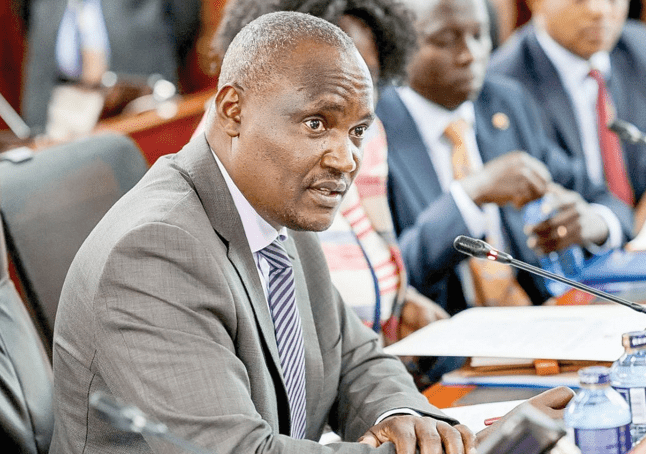
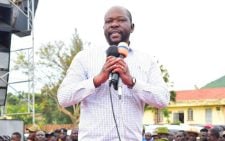
Treasury Cabinet Secretary John Mbadi has said that the government has prioritised the agricultural sector in the 2026/27 budget by protecting key programmes from major spending cuts.
Speaking in a press release at the National Treasury offices on Thursday, June 11, 2026, Mbadi noted that agriculture remains a central pillar of the country’s economic agenda, with the government maintaining the fertiliser subsidy at approximately Ksh18 billion to support farmers and enhance food production.
He also revealed that Ksh2.5 billion has been allocated to support ongoing sugar sector reforms aimed at revitalising the industry and improving the livelihoods of farmers.
“We have prioritised stability in the agricultural sector by avoiding major cuts, keeping the fertiliser subsidy steady at approximately Ksh18 billion and sugar reforms at Ksh2.5 billion. While Parliament reduced the coffee cherry allocation, we are shifting our focus to address critical coffee debt and expand seed provisions,” Mbadi said.
You Might Also Like
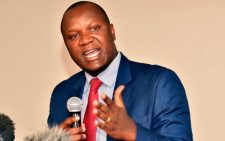
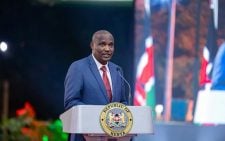
The CS noted that while Parliament reduced funding for coffee cherry advances, the government is shifting its focus toward addressing the coffee sector’s debt burden and expanding access to quality seeds. According to the CS, these interventions are expected to strengthen productivity and improve returns for farmers in the long term.
The Treasury chief explained that the government’s commitment to agriculture comes even as it implements a new zero-based budgeting framework, which requires every expenditure item to be justified before receiving funding.
Alternative Financing Models
In contrast, Mbadi further indicated the treatment of agriculture with changes in the energy sector, where several commercially viable projects have been removed from the primary budget and redirected to alternative financing models, including the National Infrastructure Fund and Public-Private Partnerships (PPPs).
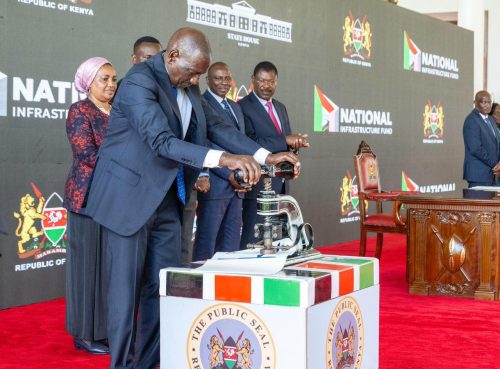
He said the decision demonstrates the government’s intention to safeguard critical agricultural programmes while ensuring public resources are allocated efficiently.
“In contrast, our approach to energy has shifted under our new zero-based budgeting framework, which requires every shilling to be rigorously justified. Because our assessments revealed that many energy projects are commercially viable, we have moved them out of the primary budget to be funded instead through the National Infrastructure Fund and public-private partnerships, ensuring the sector remains heavily supported through alternative financial structures,” he added.
According to Mbadi, maintaining support for fertiliser subsidies, sugar reforms, and coffee sector interventions underscores the government’s strategy of using the budget to boost agricultural productivity, strengthen food security, and support rural incomes.
Author
Latest News





Advertisement
More on News