Why yoga could improve your mental health, well-being
By Kwach Wakhisi, July 7, 2025When Boniface Musembi, a counselling psychologist and talk therapist, started practising yoga, he never imagined that it could transform his life in such a big way.
His first session, he says, was confusing. But, as he continued to practice, his love for yoga grew exponentially.
“What initially drew me to yoga was the need for a consistent routine to calm the mind after intense therapy sessions. I began by exploring breathing exercises and gradually found myself integrating full yoga practices into my lifestyle. It became a personal form of therapy,” says Musembi.
Musembi who works closely with the youth, parents and organisations by offering both in-person and virtual mental health support says yoga has had a grounding effect on his life and overall well-being.
“To me, yoga is more than just physical movement. It’s a way of life; a practice that connects the body, mind, and breath,” he adds.
He says that yoga has boosted his concentration, emotional balance, and sleep. Most importantly, it has taught me the art of slowing down and listening to my body and inner thoughts, something we often ignore in fast-paced environments.
“As a therapist, this inward connection has allowed me to show up more fully for my clients,” Musembi adds.
Transformative power
Every year, on June 21st, the World marks International Yoga Day, a day set aside to put emphasis on the transformative power of yoga on physical and mental well-being.
Individuals like Musembi who have incorporated yoga into their lifestyle say they have found healing, stress relief, and a deeper connection with themselves through it.
This year, the day was marked under the theme, “Yoga for One Earth, One Health”.
The theme beautifully encapsulates the profound interconnectedness that yoga teaches us. It’s a reminder that our individual well-being is not isolated but intimately linked to the health of our planet and the communities we share.
According to Radhika Dholakia, a Certified Yoga Instructor, yoga is a comprehensive discipline that originated in ancient India, encompassing physical, mental, emotional and spiritual aspects of the individual.
“The word “yoga” comes from the Sanskrit word “Yuj,” meaning “to join,” “to yoke,” or “to unite,” signifying the union of the body, mind and spirit. It’s a union of individual consciousness with universal consciousness,” says Radhika who has been practising yoga for more than twenty years.
“While often recognised in the West for its physical postures (asanas), yoga is much more than just exercise. Its core elements include physical postures (asanas), breathing exercises (pranayama) and meditation (dhyana),” she adds.
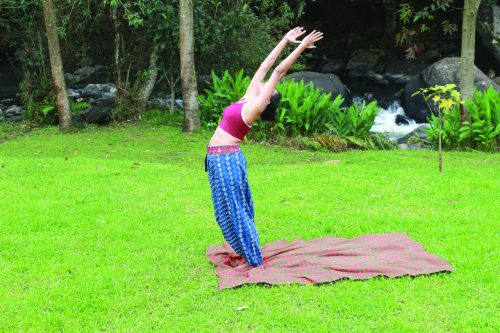
According to the expert, regular yoga practice offers numerous benefits for both physical and mental well-being.
Radhika opines: “Yoga is fundamentally about uniting the mind, body, and spirit. When we do it regularly, it consistently nurtures this connection, leading to a more integrated and harmonious sense of self. It also acts as a powerful tool for preventive medicine, promoting the body’s natural tendency toward health and self-healing.”
Another great thing about yoga is that it enhances physical health. Consistent practice stretches muscles, increases the range of motion in joints and can help correct poor posture, hence reducing stiffness and pain.
This translates to easier everyday movements and can help in healthy ageing.
Dynamic yoga styles can elevate heart rate, improve circulation and help manage factors contributing to heart disease like high blood pressure and excess weight.
On the other hand, yoga is highly effective in alleviating chronic pain, including lower back pain, arthritis, headaches, and carpal tunnel syndrome, by improving alignment, releasing tension, and strengthening supporting muscles.
“Another aspect of yoga that cannot be ignored, especially in these current times when people are battling with mental health conditions is the profound mental and emotional benefits that come with practicing it. Yoga’s emphasis on mindfulness, deep breathing, and relaxation techniques activates the parasympathetic nervous system, significantly lowering stress hormones and promoting a sense of calm,” Radhika explains.
“Consistent practice cultivates mindfulness, improving concentration, decision-making, and the ability to stay present and less distracted. This can lead to increased productivity and a more fulfilling experience of life,” she adds.
Yoga encourages setting intentions, making you more mindful and deliberate in your actions and decisions throughout the day hence transforming your daily life.
Highly adaptable practice
One of the most beautiful aspects of yoga is its inclusiveness. Generally, anyone can take part in yoga, regardless of age, fitness level, body type, or prior experience.
The practice is highly adaptable, and there are countless styles and modifications to suit individual needs and abilities.
“I believe yoga is gradually gaining recognition in Kenya, especially in urban areas and among wellness communities. However, there’s still a lot of misconception that yoga is only for a particular group of people or that it’s purely religious. My advice is: give it a chance. You don’t need to be flexible or spiritual, just be willing to breathe, move, and be present. Yoga has something for everyone. Personal and planetary wellness are deeply connected,” Musembi says.
Individuals with specific conditions or needs such as pregnant women can take part in prenatal yoga while people with chronic pain or individuals with physical limitations or disabilities can do adaptive yoga.
Those with mental health challenges, athletes or individuals recovering from injuries are also encouraged to do yoga.
Radhika notes: “The uptake of yoga among Kenyans is on an upward trajectory. They are increasingly recognising the physical and mental health benefits of yoga. This awareness is driving adoption, with some individuals even taking up yoga on their doctors’ advice.”
For example, several organisations including the Africa Yoga Project have played a crucial role in popularising yoga by training Kenyan instructors, creating job opportunities, and empowering youth, particularly in underprivileged areas.
This has helped integrate yoga into local communities.
Events like the Lamu Yoga Festival have gained international recognition, attracting both local and international participants, further solidifying Kenya’s position as a growing yoga hub in Africa.
The celebration of International Day of Yoga at the UN headquarters in Nairobi, Indian High Commission, Art of Living Kenya has also helped to spread awareness about yoga, with calls for Kenyans to adopt it as an alternative or complementary healing method, which indicates a growing recognition and promotion of yoga at official levels.
Radhika who volunteers with Art of Living Kenya under the banner of the International Association for Human Values (IAHV) Kenya says they offer different courses for yoga, including breathing and meditation.
“My path has been enriched by my involvement as a Happiness Program teacher with the Art of Living and as a Sri Sri Yoga Level 1 teacher,” she says.
Making yoga a lifestyle
According to experts, making yoga a lifestyle, rather than just an occasional exercise, offers a profound and holistic transformation that extends far beyond the physical mat.
“Taking into consideration all the amazing benefits of yoga on our physical, mental, emotional and spiritual health, I feel every individual should consider integrating yoga deeply into their daily life,” Radhika says.
“In essence, making yoga a lifestyle is about investing in a practice that continually helps you remove obstacles to your best self. It’s not just about looking good or being flexible; it’s about feeling good, managing life’s challenges with grace, and living a more balanced, intentional, and joyful existence,” she says in conclusion.