Advertisement
5 ways to avoid waterborne diseases as rainy season kicks in
Saturday 25th October, 2025 01:15 PM|

The Kenya Meteorological Department has warned that several parts of the country should brace for increased rainfall over the next seven days.
In its latest forecast covering October 21 to 27, 2025, the department said that rainfall is likely to increase across key regions, including the Central Highlands (among them Nairobi), the Lake Victoria Basin, Western Kenya, the South-eastern Lowlands, the Rift Valley, and North-western Kenya.
As the wet season kicks in, residents in the highlighted regions are required to be vigilant against waterborne diseases such as cholera, typhoid, and dysentery. These illnesses often surge during this period due to flooding, poor sanitation, and contamination of water sources.
Staying safe
However, staying healthy requires proactive measures both at home and within the community. Here are five effective ways to avoid waterborne diseases this rainy season.
Boil or treat drinking water
You Might Also Like

Flooding often leads to contamination of water sources with sewage and waste, making untreated water unsafe for consumption. Always boil water for at least 10 minutes before drinking or use water purification tablets or filters. Alternatively, household chlorine-based products like WaterGuard can be used to disinfect water and kill harmful bacteria.
Maintain clean water storage
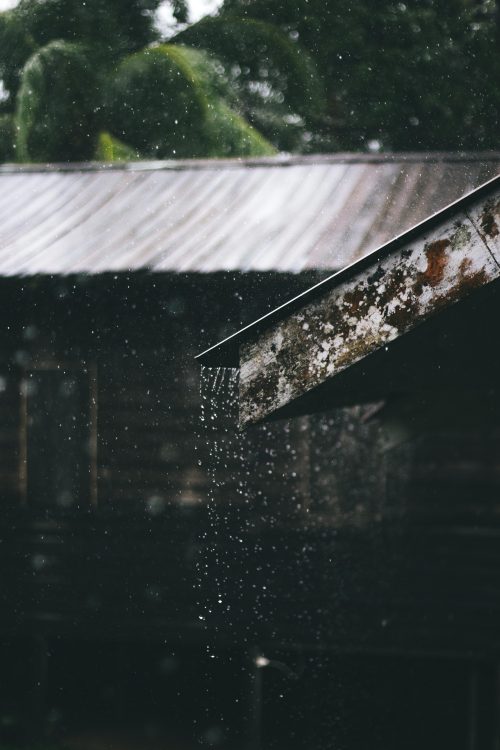
Even clean water can become contaminated if stored improperly. Use clean, covered containers and ensure that water tanks and jerrycans are washed regularly. When drawing water, avoid dipping cups or hands directly into the container—use a clean ladle or tap to minimise the risk of contamination.
Practice proper sanitation
Many waterborne diseases spread due to poor sanitation and hygiene habits. Always wash your hands with soap and clean water before eating, after using the toilet, and after handling waste. Dispose of human waste in latrines or toilets—never in open spaces or near water sources. Keeping the environment clean helps reduce disease-carrying germs and insects.
Handle food safely
During the rainy season, food can easily get contaminated by dirty water or unclean hands. Wash fruits and vegetables thoroughly, especially those eaten raw. Cook food well and eat it while it’s hot. Avoid consuming food from unhygienic vendors, and store leftovers in covered containers to prevent flies and bacteria from spreading.
Avoid stagnant water and flooded areas
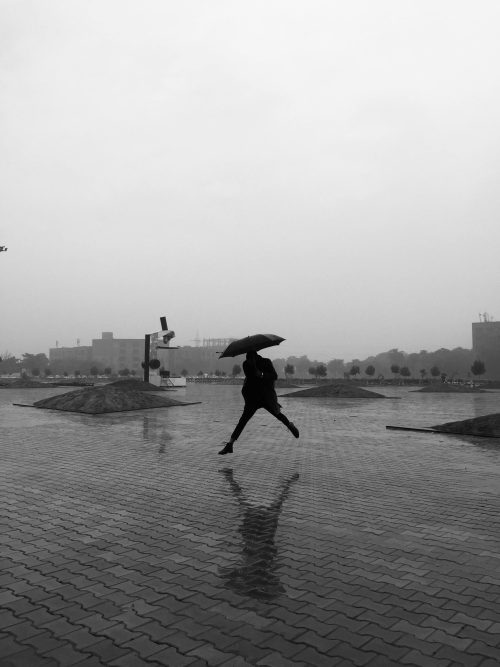
Stagnant water serves as a breeding ground for mosquitoes; it also harbours bacteria and parasites. Avoid wading through floodwaters, especially with open cuts or wounds. Communities should also clear drainage systems and dispose of waste properly to prevent water stagnation that can lead to disease outbreaks.
Author
Latest News






Advertisement
More on Lifestyle