Why the 10-point agenda could spark the next major battle in ODM
By Aloys Michael, March 9, 2026The debate around the 10-point agenda between the Orange Democratic Movement (ODM) and the ruling United Democratic Alliance (UDA) is no longer simply about a policy framework.
It is rapidly evolving into a defining internal contest over the direction, identity, and future of the most popular party.
What was initially presented as a structured cooperation agreement between President William Ruto and the late ODM leader Raila Odinga has now exposed deep fault lines within ODM itself.
The March 7, 2026, milestone, initially framed as a review point for the agreement’s progress, has instead triggered competing interpretations that risk pushing the party into its next major internal battle.
On one side stands a faction led by Edwin Sifuna, the Nairobi senator, who argues that the agreement was intentionally designed to operate within a strict timeline.
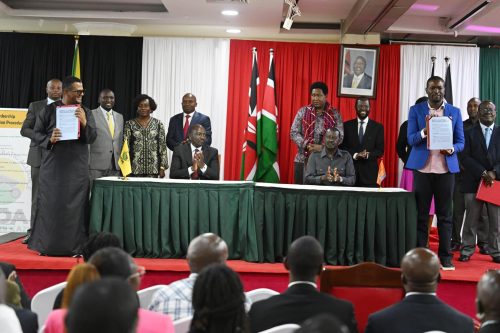
From this perspective, the arrangement had a clear beginning and should have a clear end. If the committee overseeing the agenda has not delivered meaningful results within the agreed period, then extending it would only prolong a political experiment that has already failed to meet expectations.
This position reflects a broader anxiety among some ODM leaders that prolonged cooperation with the ruling party blurs the line between opposition and government.
For them, the risk is not just about deadlines. It is about political identity. ODM built its reputation as a formidable opposition force, often positioning itself as the main counterweight to those in power.
If the cooperation framework stretches indefinitely, the party may gradually lose the sharp political edge that has defined it for years.

ODM rift
On the other side is a group associated with Oburu Odinga, who believes the agenda should be viewed as an ongoing process rather than a fixed-term project.
For this camp, the March 7 date was never meant to signal a political divorce. Instead, it was simply an opportunity to evaluate progress and adjust the course where necessary. They see the agreement not as a temporary arrangement but as part of a broader attempt to stabilise governance through cooperation across political divides.

At first glance, the disagreement may appear technical. But beneath it lies a deeper struggle about ODM’s strategic direction ahead of the next political cycle.
The party is navigating an uncertain moment. The cooperation framework with the ruling administration was controversial from the start.
While some members welcomed it as a pragmatic step toward addressing national challenges, others saw it as a risky political gamble that could confuse supporters and weaken the party’s opposition credentials.
The 10-point agenda has therefore become more than a policy roadmap. It has turned into a symbol of two competing visions within ODM. One vision favours a flexible, cooperative approach that prioritises influence within government structures.
The other insists that the party must maintain a clear and uncompromising opposition posture.
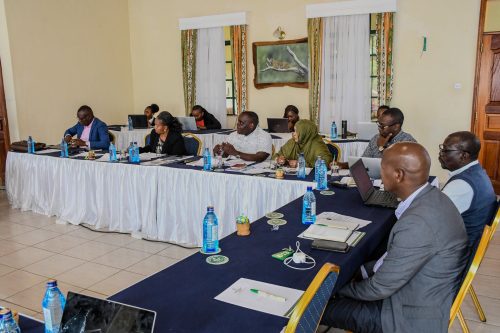
These competing instincts are now colliding as the review date approaches.
If the disagreement escalates, it could trigger a prolonged internal contest that reshapes ODM’s internal alliances and leadership dynamics.
Political parties often experience their most intense conflicts not when facing external rivals but when grappling with questions about their own identity.
In many ways, the battle over the 10-point agenda is a preview of ODM’s next chapter. Whether it ends in compromise or deepens into a full political rift will depend on how the party manages this delicate moment.
For now, what was meant to guide cooperation is increasingly becoming the spark for the party’s next internal storm.