Advertisement
When beats meet boots: How music industry is rallying behind CHAN 2024
Sunday 03rd August, 2025 07:59 AM|

The PAMOJA African Nations Championship (CHAN) 2024 edition, co-hosted by Kenya, Uganda, and Tanzania, has kicked off with a vibrant fusion of music and football, embodying the spirit of unity and cultural pride.
At the heart of this celebration is the music industry, stepping forward in support of local talent and continental cohesion. From dazzling live performances to public endorsements, artists across East Africa are using their platforms to amplify the emotional and cultural resonance of the tournament.
Cultural curtain-raiser
Tanzanian superstar Rayvanny electrified the Benjamin Mkapa Stadium in Dar es Salaam with a high-energy performance during the tournament’s opening ceremony. His set blended Bongo Flava and traditional Singeli beats, supported by dancers from Kenya, Uganda, and Tanzania. This performance, coinciding with Tanzania’s Group B opener against Burkina Faso, transcended entertainment. It became a vivid celebration of African identity and unity, turning the stadium into a canvas of colour, rhythm, and pride.
The Confédération Africaine de Football (CAF) lauded Rayvanny’s show, noting it reflected CHAN’s broader mission: to celebrate local talent while promoting cultural solidarity. A flag parade featuring the 19 participating nations and a fireworks display crowned the night, signalling that CHAN PAMOJA 2024 is not just a sporting competition but a showcase of African heritage and togetherness.
You Might Also Like

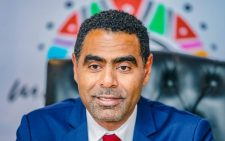

The music industry’s involvement has elevated the tournament into a multi-sensory experience, marrying sound with sport to reach hearts across the continent.
Beyond the stage
Kenyan artiste Savara, known for his role in the band Sauti Sol, has been a consistent presence in the intersection between music and football. On August 2, 2025, he met with the Harambee Stars at Moi International Sports Centre, Kasarani, where he expressed his ongoing support for the team.
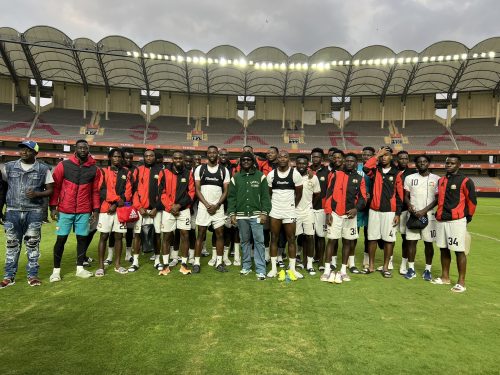
His engagement extends beyond appearances; earlier this year, on March 23, Savara performed the Kenyan national anthem ahead of a FIFA World Cup qualifier match against Gabon. He later described the experience as “spiritual and unifying,” underlining the deep cultural connection between music and sport.
Other musicians are following suit. Bien, also of Sauti Sol, recently posed with the Harambee Stars and wore the team jersey, adding his voice to a growing chorus of cultural icons backing CHAN 2024. Their actions serve as public endorsements of the national team and the tournament’s broader objectives.
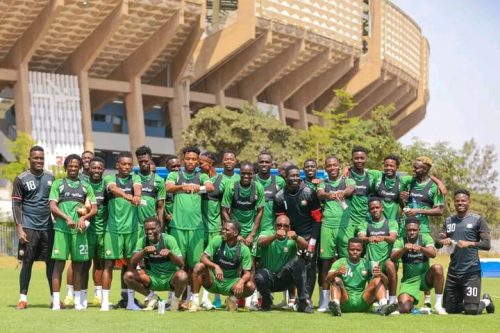
This kind of engagement helps shift public perception, framing CHAN not just as a football event but as a national movement intertwined with creativity, identity, and pride.
Political and popular backing
The music industry’s support for CHAN 2024 is mirrored by efforts from political and civic groups. On July 30, Members of Parliament under the Bunge FC banner visited the Harambee Stars training base. Led by Rarieda MP Otiende Amolo, the lawmakers brought with them words of encouragement and a Ksh1 million token of support. Their presence was both symbolic and strategic, signalling legislative backing for the team and the tournament. Migori Senator Eddie Okech urged the players to “chase their dreams,” reminding them that CHAN could be a stepping stone to greater achievements.
This convergence of support from artists, lawmakers, and ordinary fans reflects a rare alignment of national energy. It transforms CHAN from a niche tournament into a rallying point for shared purpose. In a region where both football and music are deeply embedded in daily life, their fusion becomes more than aesthetic. It is political, emotional, and deeply cultural.
Movement, not just a match
By tapping into the reach and influence of popular artists, CHAN 2024 is carving out a unique space in the African sports landscape. The emphasis on local players—those who ply their trade in domestic leagues—mirrors the music industry’s celebration of homegrown talent.
Just as CHAN offers players a chance to shine on a continental stage, the tournament offers artists an avenue to express, connect, and unite.
This cultural synergy has tangible effects. It builds fan engagement, drives ticket sales, and fosters national pride. More importantly, it underscores the idea that football and music are two sides of the same coin—each with the power to inspire, mobilise, and unify.
As East African nations take turns hosting CHAN matches, and as stadiums fill with flags, chants, and dance, the region tells a story not just of sport, but of solidarity.
In the weeks ahead, as CHAN PAMOJA 2024 unfolds, the music industry’s role will remain crucial. Whether through performances, public appearances, or simply wearing the team jersey, artists are becoming cultural ambassadors. Their involvement ensures that this tournament resonates far beyond the pitch.
It becomes a festival of identity, a celebration of local excellence, and a powerful reminder that when beats meet boots, Africa moves forward—together.
Author
Latest News






Advertisement
More on Insights