Advertisement
What parents, others can do to curb teen pregnancies
Thursday 31st July, 2025 04:00 AM|
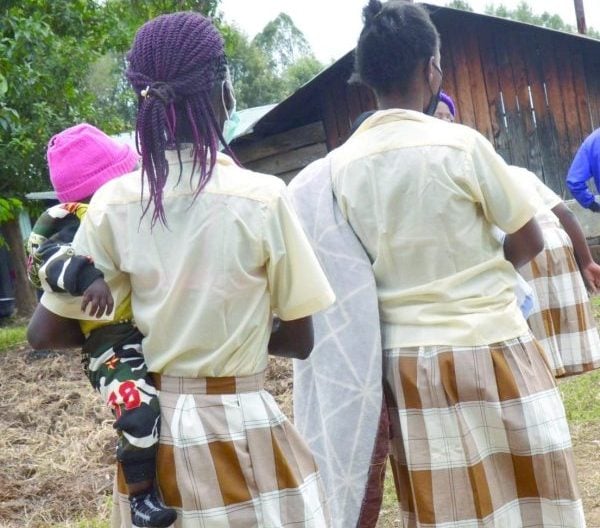
According to the 2022 Kenya Demographic and Health Survey (KDHS), 15 per cent of adolescent women aged 15-19 years have ever been pregnant.
This is quite alarming, and both the government and parents must take prompt action to tackle the problem.
Poor parenting has been a bigger contributor to this situation, as many parents have left their children in the hands of teachers without considering the workload that these educators face.
In that connection, positive parenting should be upheld.
You Might Also Like



Parents should ensure that they create ample time during school holidays and sensitise their children on matters concerning sexuality.
During school holidays, parents should ensure that they are aware of their children’s whereabouts so as to reduce the latter’s chances of being involved with bad company that may lead to unsafe sexual activities that lead to pregnancy.
Also, comprehensive sexuality education should be introduced in learning institutions to help children understand more about their sexual and reproductive health and rights.
Harmful cultural practices such as female genital mutilation have also contributed to the rise in teenage pregnancies.
Adolescent girls from communities that practise such harmful rites are at greater risk of getting pregnant at a tender age, because once they get “cut”, they are exposed to sex, which leads to unintended pregnancies.
According to traditions in, for instance, Kuria in Migori, once a girl is cut, she has to be exposed to sex because she is now a woman and hence has to be transitioned from childhood to adulthood.
The government should ensure that strict measures are put in place against perpetrators of FMG, which is an outdated cultural norm without any value for our girls.
Lack of awareness about contraceptives among youths is another factor that contributes to teenage pregnancies.
Most young and adolescent youths have not been taught about contraceptives. Some of them are not ready to be sensitised to embracing the use of contraceptives.
This has made it difficult for the youths to go for such services and hence practise unprotected sex, which can lead to pregnancies.
Civil society organisations that sensitise communities about contraceptives should increase their areas of coverage.
The government should also ensure service integration in both public and private hospitals to ensure that youths get confidential and friendly services.
Lastly, religious leaders should not be left out in ensuring that our young girls and boys are mentored to become good humans, as they play a vital role in ending this vice.
Therefore, whenever our children are in school, teachers must ensure that they attend religious sessions, and also when children are at home, parents must ensure that to do the same.
Parents, teachers and religious leaders should collaborate with national government administrators to ensure that our children are raised properly.
The writer is a sexual and reproductive health and rights Advocate
Author
Matiko Magoiga
View all posts by Matiko MagoigaLatest News







Advertisement
More on Insights