Advertisement
Time to step in and stop child hunger
Thursday 25th August, 2022 09:16 AM|
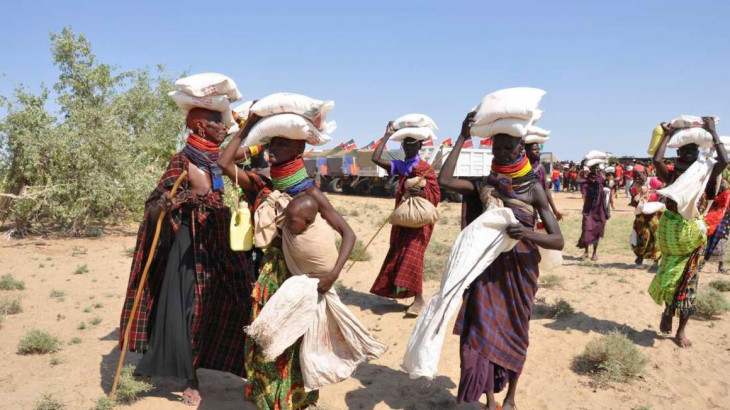
It is worrying that over one million children in 23 counties are staring a serious risk of malnutrition at a time when the country is consumed by succession politics. Whereas elections will come and go, the health and well-being of the affected children — who are the future generations of Kenyan — are at risk of being irreparably damaged because they lack adequate food. That is why we urge policymakers — and institutions charged with the responsibility of responding to emergencies like drought — to step up and take action to ensure that mitigation measures are put in place.
The National Drought Management Authority says the children most at risk are aged between six months and five years. In arid and semi-arid regions, such children are too young to have started attending school. As such, the best way to intervene and help them is by taking food supplements to homes and religious institutions as well as in hospitals when the children are taken for immunisation or treatment.
Data about the affected children and contacts of their parents or guardians should be collected to ensure targeted interventions meet their intended goal of ensuring that every deserving child gets food, medicine and water.Malnutrition has the potential to affect these children for life. For instance, it reduces their cognitive and problem-solving skills, which means that the children are likely to remain poor into adulthood. This, in turn, will also adversely affect their children.
Secondly, malnutrition makes children vulnerable to opportunistic infections. That means their families will spend more on medication. It also means those of school-going age will miss classes to seek medical services. All these conspire to deny such children their rights to enjoyment of life and to quality education. It also disadvantages them when compared with children from areas not affected by drought.
NDMA has warned that more people are at risk of being adversely affected by the ongoing drought. This highlights the need for both the outgoing and incoming administrations to prioritise interventions that will address these challenges. In the short term, however, food rations should be delivered to the hardest hit regions before it is too late.
The focus on succession politics should not be allowed to blindside policy makers and implementers into abandoning the vulnerable children of Kenya. Turning our eyes away will only perpetuate generational injustice and regional inequality, both of which have no place in modern societies.
Author
Editorial.Team
View all posts by Editorial.TeamLatest News







Advertisement
More on Insights