Advertisement
Time to boost farming for improved yields
Tuesday 04th April, 2023 04:00 AM|
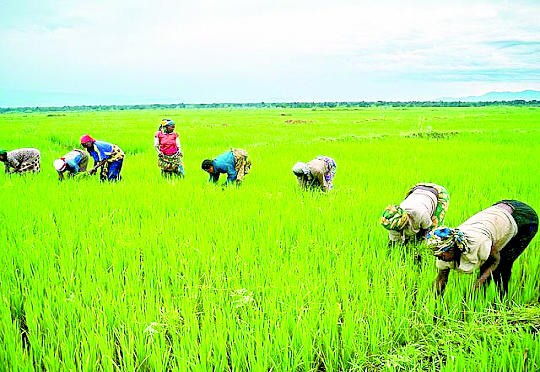
Rains have been pounding various parts of the country, signalling better times ahead for farmers, some of whom have already started planting. This means in a few months, once the crops are harvested, the cost of food will go down, a significant step given that the high cost of living has been one of the bones of contention in recent agitations by Azimio One Kenya leaders.
Significantly, the latest Central Bank of Kenya (CBK) report on agricultural production indicates that the supply of most non-vegetable food items will either increase or remain unchanged in the next harvest.
In particular, the supply of maize, rice and wheat is expected to rise with the anticipated increase in duty-free imports from March 2023, coupled with the supply of subsidised fertilizer to farmers by the national government and distribution of seeds by various county governments.
However, much as things are now starting to look up, this is also the right time for industry players and the State to soul-search and deal with the challenges that may have led the nation to the current state of food insecurity. And they can start by reviewing what is needed to boost production.
For instance, what farmers really need, for instance, is for government to lower the cost of inputs, stabilise fuel prices, supply subsidised fertiliser in good time and put in place systems for irrigation to enable farmers to move away from overreliance on rainfall. The government should also offer incentives for large-scale harvesting of rainwater for use during the dry season. This includes offering tax breaks for those who build dams and sink water pans.
Despite the rains, about 30 per cent of farmers are yet to receive the subsidised fertilizer. Again, some failed to register for consideration, meaning that they risk being locked out of the programme. It behoves the government, therefore, to find ways of aligning farmer needs and available support so that the programme is seen to be fair and also to ensure it serves the end goal of improving food security.
Due to drought, agricultural extension officers have not been visiting farms to give technical advice to farmers, but now that the rains have fallen, counties should ensure that the extension officers resume their duties early and keep at it consistently to maximise production. Their active involvement will ensure that the seeds and fertiliser supplied to farmers fit the environmental conditions they operate to start with.
Other considerations that would go a long way to deepen farming and agriculture include a review of land policy, restricted importation of commodities that are available or can be processed locally and reduction of cess fees at county boundaries to reduce the cost of ferrying goods from one region to other.
Author
Editorial.Team
View all posts by Editorial.TeamLatest News







Advertisement
More on Insights