Advertisement
Tana River’s Ksh516B gamble: Can irrigation rewrite its future?
Monday 27th July, 2026 11:09 AM|
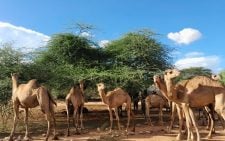
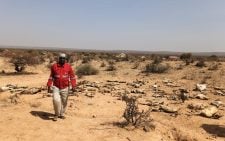
Tana River County, long associated with drought, livestock losses and reliance on relief food, may be on the verge of a dramatic shift. Despite being traversed by Kenya’s longest river, much of its land has remained idle due to limited irrigation.
Now, a Ksh516 billion ($4 billion) agricultural project promises to change that narrative, though questions remain about its scale, sustainability and community impact.
Stella Mundi Ltd has announced plans to commercially produce lucerne, a protein-rich fodder crop used in dairy and beef farming worldwide. The company says the project will not only grow fodder but also build value chains around feed processing, exports and livestock production.
Lucerne is in high demand globally, especially in Middle Eastern countries where harsh climates limit local feed production. Kenya’s entry into this market could position Tana River as a regional hub for livestock feed.
You Might Also Like
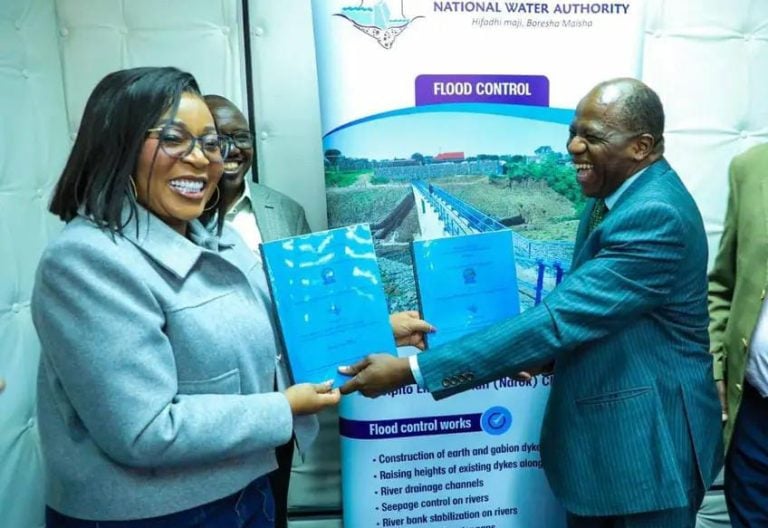
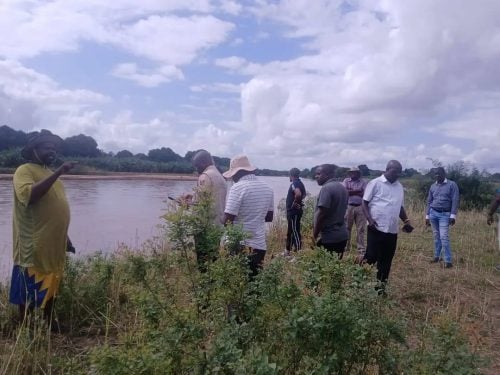
The project will rely on irrigation infrastructure developed with the National Water Harvesting and Storage Authority (NWHSA). Water will be drawn from the Tana River and distributed through pipelines to support year-round cultivation.
Stella Mundi Managing Director Mayor Mangeya outlined a four-phase rollout: initial lucerne production, expansion to 7,000 hectares with a modern feed mill, scaling up to 12,000 hectares for exports, and finally a livestock platform for beef, goats and dairy.
“This is not a standalone farm but an ecosystem designed to sustain itself over decades,” Mangeya said.
Water, jobs and exports
The initiative reflects Kenya’s broader agricultural policy shift toward complete value chains that generate jobs and exports rather than raw commodities alone. Developers project thousands of jobs in farming, irrigation, transport, feed processing and livestock.
A proposed Sovereign Fund Fee of two per cent of topline revenue is meant to ensure local communities benefit directly. Estimates suggest county government and residents could earn Ksh258 million in the first five years and Ksh516 million within a decade.
NWHSA Chief Executive Officer Julius Mugun stressed the role of water infrastructure in unlocking dryland potential. “This project demonstrates how strategic water investment can support agriculture, create jobs and strengthen food security,” he said.
Board Chairperson Jane Mwikali Makau added that the initiative aligns with Vision 2030 goals of inclusive growth. “It has the potential to improve livelihoods, boost exports and transform Tana River into a major agricultural hub,” she noted.
Yet, observers caution that success will depend on efficient water management, environmental safeguards and genuine community participation. Large-scale irrigation projects in Kenya have historically faced challenges ranging from land disputes to ecological strain.
For residents of Tana River, the promise of irrigated farmland and steady income is compelling. But whether the Ksh516 billion investment delivers lasting transformation will hinge on how well innovation is balanced with sustainability.
Author
Latest News







Advertisement
More on Insights