Advertisement
Scrap or reform? Why MPs are questioning Equalisation Fund
Tuesday 10th March, 2026 07:43 AM|

When the Equalisation Fund was introduced under the 2010 Constitution, it was hailed as a beacon of hope for Kenya’s most marginalised counties.
Its purpose was straightforward: reduce inequalities in access to basic services such as water, roads, health care, and electricity, bringing these regions closer to the development levels enjoyed by the rest of the country.
The fund, established under Article 204 of the Constitution, was intended to run for 30 years, from 2010 to 2040, and aimed to transform counties long neglected by historical development policies.
Counties like Samburu, Turkana, Mandera, Baringo, West Pokot, Wajir, and Garissa were expected to benefit the most, addressing decades of uneven growth.
You Might Also Like
However, more than 15 years after its creation, the fund’s progress has been far from satisfactory. Members of Parliament (MPs) have repeatedly questioned its effectiveness, with some now calling for it to be scrapped entirely.
The frustration stems from delays, underfunding, claimed misuse, and poor project planning.
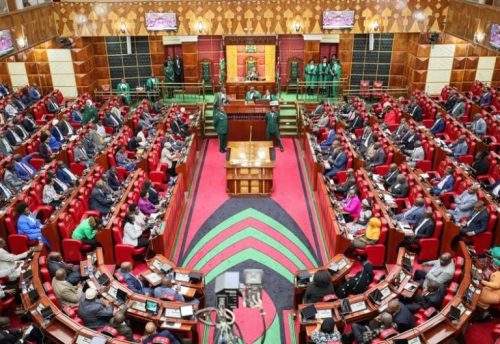
The law mandates that 0.5 per cent of national government revenue be set aside annually for the Equalisation Fund.
In reality, disbursements have been slow and erratic. As of February 2026, the Equalisation Fund Chief Executive Officer, Guyo Boru, reported arrears of Ksh62.77 billion from the National Treasury that had not reached the intended counties.
Audits and government reports paint a troubling picture. The Controller of Budget (COB) highlighted a Ksh10 billion shortfall threatening the completion of projects in the most disadvantaged regions.
By mid-2025, only Ksh15.9 billion had been disbursed from an expected Ksh62.7 billion, leaving Ksh46.9 billion in arrears. The Auditor-General’s report echoed these concerns, noting that out of nearly Ksh60 billion owed, only Ksh13.4 billion had been transferred, hampering the construction of boreholes, health clinics, and rural roads.

Funding gaps
The challenges are not just financial. Some counties, including Bomet, Bungoma, Kericho, Kirui, Lamu, and Narok, failed to submit project proposals worth Ksh1.3 billion, delaying the release and use of funds. This combination of funding gaps and bureaucratic hurdles has forced county officials to postpone or cancel priority development plans, frustrating residents who were counting on tangible improvements.
The fund’s mandate has also expanded over time. Originally designed for 14 marginalised counties, it now covers 34 counties with marginalised sub-locations.
This broad approach risks spreading resources too thin and undermining the fund’s original intent, while supporters insist that more communities face critical service gaps that justify inclusion.
Politics in projects?
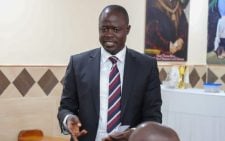
The frustration of MPs was visible during a meeting with Guyo Boru on February 5, 2026, when they expressed dissatisfaction with the fund’s limited achievements. Eldas MP Adan Keynan described the Equalisation Fund as a political tool that has delivered little to the people it was meant to help.
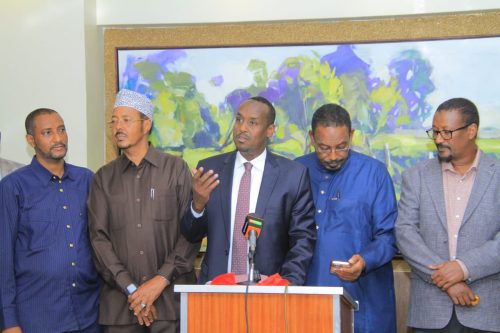
Parliamentary committees are now preparing a special report with recommendations on whether the fund should continue, be reformed, or even be scrapped.
This debate comes at a critical time when the country’s development agenda hinges on narrowing inequalities, particularly for historically marginalised communities.
Scrapping the fund without a viable alternative could leave these regions further behind. Yet, continuing a fund plagued by inefficiency, corruption, and underfunding risks wasting billions of shillings with little impact.
The solution likely lies somewhere in between. Reforms are needed to ensure timely disbursements, better project oversight, and stricter accountability.
Counties should be supported to plan and execute projects efficiently. Transparency must be prioritised to restore public confidence in the fund’s ability to deliver.
Author
Latest News





Advertisement
More on Insights