Advertisement
Rethink levies on manufacturing
Monday 27th May, 2024 06:00 AM|
As Kenyans debate the 2024 Finance Bill, we must remember that government and the private sector create jobs as an intentional move.
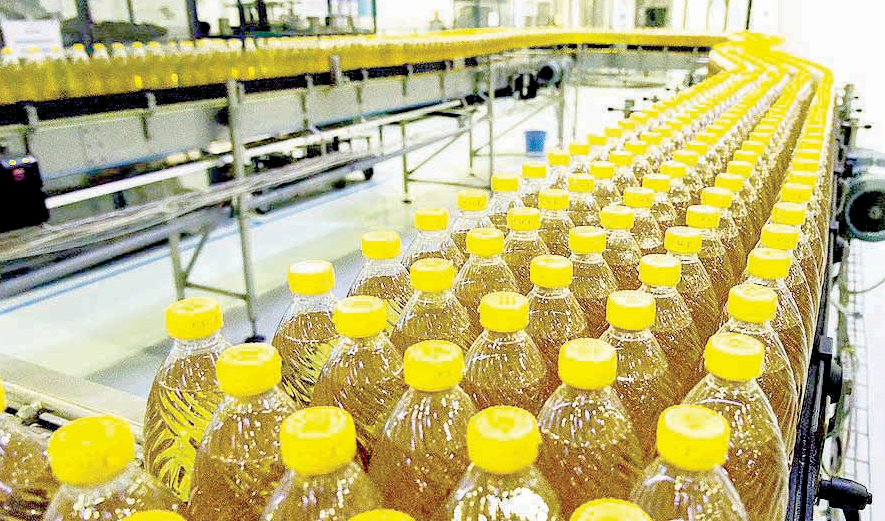
To tackle unemployment, therefore, Kenya must consider processing more goods by boosting the manufacturing sector, which has languished with suboptimal contributions to GDP for years.
Despite the substantial export value of Sh0.9 trillion in 2023, there remains a stark contrast to the principal domestic imports, which stood at Sh2.6 trillion per the latest Economic Survey.
This discrepancy underscores the urgent need to enhance the value of domestic exports, particularly through processed goods, which currently account for only 29 percent of the export value.
Granted, tea and horticultural products dominated Kenya’s exports, contributing 41.5 percent. While these are vital sectors, they represent low-value goods that do not significantly drive economic complexity or industrial growth, denying millions of Kenyan youths jobs.
The relatively low percentage of processed goods in the export portfolio highlights a missed opportunity for value addition, which is crucial for economic resilience and growth.
The bad news is that the government has imposed various fees and levies through legislation like the Miscellaneous Fees and Levies Act, 2016. These financial impositions, while aimed at generating revenue and encouraging value addition, inadvertently increase the cost of goods.
For instance, the export levy, import declaration fee, export and investment promotion levy, and railway development levy all add to the cost burden on manufacturers.
These levies, designed to fund critical infrastructure and incentivize local production, also hamper the competitiveness of Kenyan goods in the global market.
The government must re-evaluate the impact of existing fees and levies on the manufacturing sector. While the intention behind these levies is sound, their cumulative effect can be counterproductive.
For instance, raw materials or intermediate goods subjected to these levies increase the production costs of finished goods, reducing their competitiveness. The government should consider providing relief or exemptions for raw materials used in manufacturing to lower production costs.
Author
Editorial.Team
View all posts by Editorial.TeamLatest News







Advertisement
More on Insights