Advertisement
On gender equality, let’s move beyond rhetoric
Friday 07th March, 2025 06:00 AM|
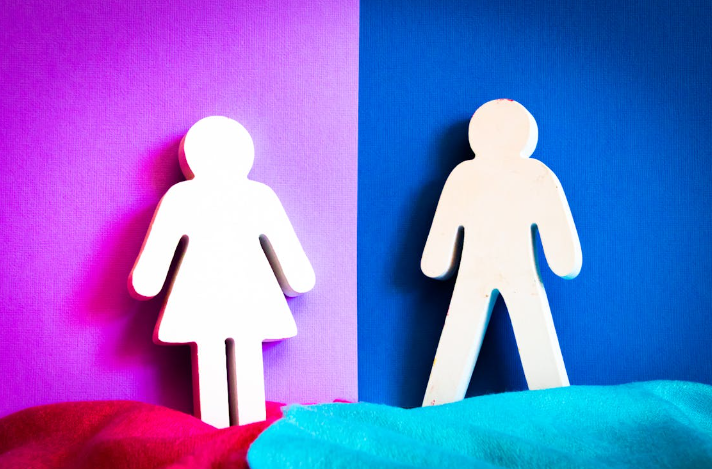
Every year, International Women’s Day serves as a powerful reminder of the progress made toward gender equality and the challenges that still lie ahead. This year’s theme, “Accelerate Action”, underscores the urgency of turning commitments into tangible results for women and girls worldwide.
International Women’s Day is celebrated annually worldwide and is a significant holiday for the women’s rights movement. The celebrations focus on such issues as gender equality, reproductive rights, and violence and abuse against women. Inspired by the universal suffrage movement, it arose from the labour rights movements in Europe and North America in the early 20th century.
There are so many commitments made yet very few have been implemented. While significant strides have been made in advancing women’s rights, the pace of change remains slow. Countries must move beyond rhetoric and push for systemic transformation in all sectors of society if we want to bridge the gender gap.
Women cannot continue to be underrepresented in leadership positions, both in politics and corporate settings. Despite making up nearly half of the global population, women hold only about 26 percent of parliamentary seats worldwide and occupy less than 10 percent of top CEO positions.
You Might Also Like


To accelerate action, governments and organisations must implement policies that promote gender-inclusive leadership, and mentorship programmes, and enforce equal-pay laws. True progress demands that women not only have a seat at the table but also a voice in shaping policies that affect their lives.
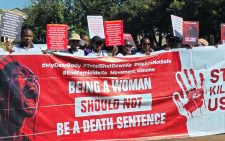
Gender-based violence( GBV) is another thing that widens this gap. Though governments have been trying to fight this vice by creating awareness, the fight against GBV requires more than awareness campaigns. It demands legal reforms, stronger enforcement mechanisms, and increased investment in survivor support services.
It is also time that countries must ensure that all perpetrators of GBV are held accountable, ensure there is access to justice for survivors, and dismantle harmful cultural norms that perpetuate violence.
There is no way we can achieve gender equality if millions of girls worldwide still face barriers to education due to poverty, early marriages, and discriminatory cultural practices. Lack of education makes women not have a say at the negotiation tables because even getting to those tables is a challenge.
Author
Editorial
View all posts by EditorialLatest News






Advertisement
More on Insights