Advertisement
KQ bosses, pilots should dialogue
Wednesday 02nd November, 2022 01:58 AM|
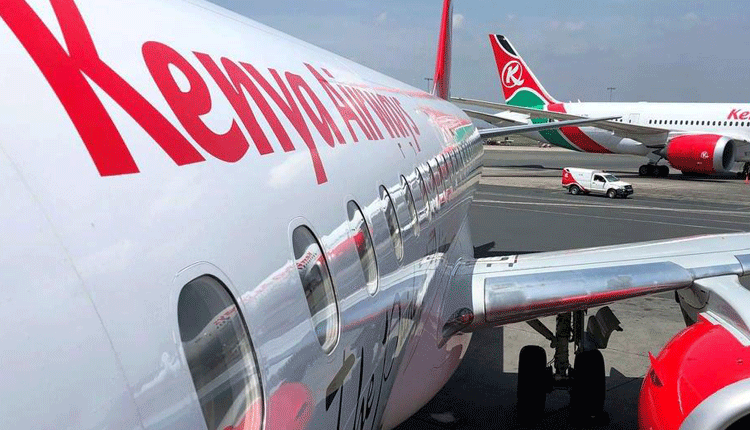
That Kenya Airways is facing the threat of an imminent strike by its pilots sends a worrying message to the economy considering that the national carrier has just embarked on its financial recovery journey. Like many other companies, KQ is recovering from the downturn in fortunes caused by the Covid-19 pandemic that ravaged the global economy in 2020 and 2021.
Numbers from Kenya’s Tourism Research Institute show that there was a drastic decline in tourist arrivals because many countries closed down their airspaces to prevent the spread of the flu that killed millions across the world.With the pandemic largely controlled, economies are rebuilding and companies are trying to find a new footing. Across industries and sectors, workers are yet to get their full pay back and, according to KQ pilots, they too are yet to get their full salaries restored.
Now, the company has started making signs of progress, having increased the number of flights to various destinations as demand for air travel grows. This is expected to go up as the Christmas festivities period approach and more people will be seeking to travel for leisure.
Ideally, this should be good news for the national airline but the risks posed by the strike threat could wipe away the gains that the company has been making as it makes its way out of loss territory. That is why it is imperative for pilots to heed Monday’s court ruling asking them to suspend their strike. Instead, they should give dialogue a chance considering that the Ministry of Labour is seized of the matter.
Without a doubt, the four issues at the centre of the dispute by the KQ management and pilots can be resolved if all parties demonstrate their goodwill to the talks and embrace the spirit of mediation. There are many aspects of the economy that are yet to fully recover and there is need for industry leaders in aviation to step up and find ways of addressing the challenges facing KQ so that it can serve as a working example of how to reduce conflict and create room for the company to thrive so that it can meet the needs of its customers and the demands of its workforce.
What is needed at this point is patience so that the management and the pilots can sit around a table and resolve the issues that confront them. Each should embrace the maxim requiring them to seek first to understand before they seek to be understood. If they can walk a mile in each other’s shoes, no doubt an amicable solution can be found. They only need the courage to try and that is not too much to ask for leaders in a sector as sensitive as aviation.
Author
Editorial.Team
View all posts by Editorial.TeamLatest News






Advertisement
More on Insights