Advertisement
Kenya’s push to cut clinical trial delays signals new era for medical research in Africa
Monday 18th May, 2026 10:53 AM|

Africa has faced a difficult paradox in medical research: while the continent carries a heavy burden of infectious and emerging diseases, clinical trials for vaccines, medicines, and treatments have often been slowed by fragmented regulatory systems, lengthy approval timelines, and under-resourced ethics review boards.
Now, Kenya is positioning itself at the centre of efforts to change that. Kenya’s formal inclusion into the TRACE Project (Trial Regulation and Clinical Ethics Optimisation) marks a significant step in the country’s attempt to modernise how clinical trials are reviewed and approved. Beyond administrative reform, experts say the move could influence how quickly life-saving interventions reach patients across the region.
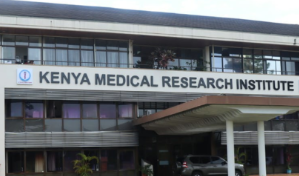
The initiative brings together key Kenyan institutions, including the National Commission for Science, Technology and Innovation, Pharmacy and Poisons Board, Kenya Medical Research Institute and Moi Teaching and Referral Hospital, alongside Moi University’s Institutional Scientific and Ethical Review Committee.
Reforms
At the centre of the reforms is a long-standing challenge that researchers across Africa know too well: duplication in the clinical trial approval process.
You Might Also Like

Traditionally, researchers seeking approval for a clinical study have had to submit documents separately to ethics committees and national drug regulators, with each institution reviewing the same protocols independently. The process can take several months, sometimes over a year, delaying research during outbreaks and increasing the cost of studies.
Kenya now plans to implement a parallel review system where ethics committees and regulators assess applications simultaneously rather than sequentially. Authorities are also targeting protocol review timelines of under 60 days.
This shift may appear procedural, but health researchers say it could have major consequences for innovation, investment and emergency response.
During the COVID-19 pandemic and later outbreaks such as Marburg and mpox, African countries faced criticism for slow trial approvals that delayed locally relevant research. In many cases, studies sponsored by international pharmaceutical companies were prioritised in countries with faster systems outside Africa.
By shortening review timelines and digitising approval systems, Kenya hopes to become a more attractive destination for global clinical trials while also strengthening local oversight.
The TRACE Project’s broader continental strategy reflects growing recognition that Africa cannot rely solely on external research systems during health crises.
Africa advances trial reforms
Across partner countries, reforms are already underway. In Zimbabwe, regulators are developing a digital clinical trials and protocol processing system designed to support end-to-end submissions and reviews. Rwanda is working on a national digital ethics review system that will allow parallel submissions between ethics bodies and regulators, while Nigeria is reviewing its national health research ethics code to improve reliance frameworks and clinical trial mechanisms.
Tanzania, meanwhile, has focused on strengthening capacity among ethics committee members and regulators while drafting guidelines for traditional medicine research, an area increasingly gaining global scientific interest.
One of the less visible but critical aspects of the TRACE reforms is the focus on institutional capacity. In many African countries, ethics review boards are often overwhelmed by limited staffing, inconsistent training and growing numbers of research applications.
The project aims to standardise review tools, strengthen reviewer training and improve accountability through accreditation frameworks. Analysts say this is essential because faster approvals without strong oversight could compromise participant safety and public trust.
Kenya’s involvement also comes at a time when the country is seeking to strengthen its reputation as a regional biomedical research hub. Institutions such as Kenya Medical Research Institute have already played leading roles in malaria, HIV and vaccine studies, often partnering with international universities and pharmaceutical firms.
However, researchers have long argued that Africa’s contribution to global science remains constrained by bureaucratic bottlenecks, inconsistent regulatory standards and dependence on external funding structures.
Digital integration under TRACE could help address some of these gaps by improving transparency, reducing paperwork and enabling better coordination between institutions.
The initiative may also support Africa’s broader push for research sovereignty, the ability for African institutions to lead, govern and benefit from research conducted on the continent rather than merely serving as trial sites for external organisations.
Still, experts caution that technology alone will not solve structural problems affecting medical research. Sustained government investment, legal reforms and political commitment will determine whether the systems become fully operational and trusted by researchers.
As the TRACE consortium prepares for its next regional meeting in Harare in June, Kenya’s entry signals a wider continental shift toward harmonized and faster clinical trial governance.
For African researchers, the stakes extend beyond efficiency. Faster and more coordinated clinical trial systems could mean quicker access to vaccines, treatments and medical innovations during future health emergencies and a stronger African voice in shaping global science.
Author
Latest News








Advertisement
More on Insights