Advertisement
Kenya’s NATO ties at risk: The high stakes of allyship vs non-alignment
Friday 15th August, 2025 06:45 AM|

Kenya’s designation as a Major Non-NATO Ally (MNNA) by the United States in June 2024 marked a significant milestone, making it the first Sub-Saharan African country to receive this status.
However, recent geopolitical developments have cast doubt on the sustainability of this designation.
The U.S. Senate has initiated a formal, classified review of Kenya’s MNNA status, triggered by an amendment (S.Amdt.3628) to the 2026 National Defence Authorisation Act (NDAA), authored by Senator James Risch.
The amendment mandates that within 90 days, the U.S. Secretary of State, in coordination with the Defence Secretary, Treasury Secretary, and Director of National Intelligence, must begin the review. A detailed report is then to be submitted to Congress within 180 days.
You Might Also Like
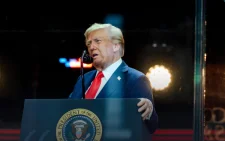
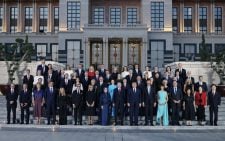
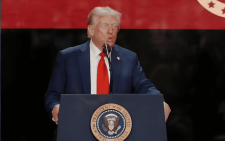
The following are the critical areas where the Congress has ordered an evaluationForeign Ties: Kenya’s military, financial, and political linkages with China, Russia, and Iran post-June 24, 2024, when the MNNA status was granted.
Extremist Groups: Possible connections between Kenyan officials or institutions and non-state armed groups, including Sudan’s Rapid Support Forces (RSF) and Somalia’s al-Shabaab.
Use of U.S. Security Aid: Examination of whether U.S. aid and intelligence support have been misused for actions against civilians, such as extrajudicial killings, abductions, or torture.
Financial Safe Haven: Kenya’s potential role as a financial refuge for individuals or organisations listed on the U.S. Treasury’s Specially Designated Nationals list, including extremists from neighbouring states.
What it means to be an ally or not
Advantages of MNNA Status
Being designated as an MNNA offers several benefits to a country:
Enhanced Military Cooperation: Access to advanced U.S. military technology and equipment, including preferential access to commercial space technologies.
Defence Trade Benefits: Eligibility for loans of material, supplies, or equipment for cooperative research, development, testing, or evaluation.
Strategic Partnership: Strengthened diplomatic and security ties with the U.S., facilitating cooperation in regional and global security initiatives.
Disadvantages and Risks of MNNA Status
Despite the advantages, there are potential drawbacks:
Geopolitical Pressure: Countries may face pressure to align with U.S. foreign policy objectives, potentially straining relations with other global powers.
Limited Security Guarantees: MNNA status does not entail any security commitments to the designated country, leaving it without formal defence obligations from the U.S.
Internal Security Concerns: Allegations of involvement with non-state armed groups or foreign terrorist organisations can jeopardise the benefits associated with
MNNA status.
Kenya’s Position and the China Factor
Kenya’s deepening economic and diplomatic ties with China have become a focal point in the U.S. review process. China has been a significant partner in Kenya’s infrastructure development, including projects under the Belt and Road Initiative. President William Ruto’s recent visits to China and his praise for China’s role in the “new world order” have raised concerns in Washington.
Kenya’s MNNA status is unique in East Africa. While Egypt, Morocco, and Tunisia hold MNNA status in Africa, no other East African country has been designated as such. The potential revocation of Kenya’s MNNA status could have broader implications for the region’s geopolitical landscape.
Kenya stands at a crossroads in its international relations. The outcome of the U.S. review will have a significant impact on Kenya’s strategic alliances and its role in regional and global affairs. As the review progresses, Kenya must navigate the complex dynamics of international diplomacy, balancing its relationships with major powers while safeguarding its national interests.
Congress’s review signals a significant shift in the U.S.–Kenya strategic relationship. As Kenya balances its diplomatic partnerships and development agenda—particularly its economic ties with China and national security collaborations—the findings of this review could reshape its global positioning.
Author
Latest News







Advertisement
More on Insights