Advertisement
Kenya’s endless school fire tragedies expose dangerous neglect of student safety
Friday 29th May, 2026 07:38 AM|

The recurring cases of dormitory fires in Kenyan schools continue to expose painful questions about whether enough attention is being given to safety standards before children are admitted into learning institutions.
Beyond academic performance and school reputation, parents and education authorities must now confront the urgent issue of whether schools are truly safe for learners.
The recent closure of more than 350 schools following safety inspections after the Endarasha fire tragedy reflects the magnitude of the crisis facing the country’s education sector. Investigations by authorities and human rights agencies revealed that many institutions were operating without fully adhering to the Kenya School Safety Manual, despite clear guidelines meant to protect learners from disasters.

This situation is not new. Kenya has repeatedly witnessed tragic dormitory fires over the years, yet the same concerns continue resurfacing after every incident. In many cases, recommendations are made, investigations launched, and promises issued, but implementation often fades with time until another tragedy occurs.
Dormitory fire tragedies haunt schools
You Might Also Like
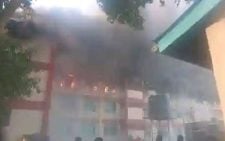


The memories of past school fire disasters remain painful reminders of the cost of negligence and poor enforcement of safety regulations.
In 2017, the country was shaken after a dormitory fire at Moi Girls’ School, Nairobi, claimed the lives of 10 students. Similar incidents have also been reported in schools such as Asumbi Girls High School, raising persistent concerns over dormitory congestion, emergency preparedness, and weak compliance with safety measures.
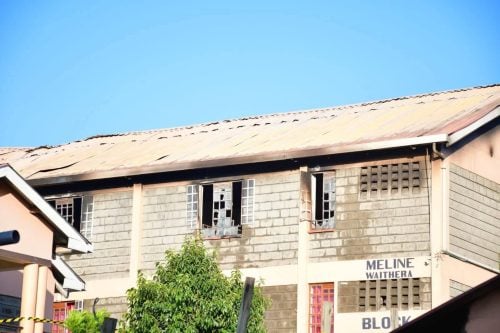
Even earlier, in 1997, tragedy struck Bombolulu Girls’ Secondary School, where 27 girls lost their lives in a dormitory fire, one of the deadliest school fire incidents in Kenya’s history.
Prioritise safety during admissions
As the country continues debating reforms, there is also a growing need for parents to pay closer attention to school safety standards during admissions.
Questions about emergency exits, firefighting equipment, dormitory congestion, electrical wiring, and disaster preparedness should become as important as national examination results.
School safety should not only become a concern after tragedy strikes. Protecting learners requires continuous inspections, strict enforcement of regulations, and shared responsibility between schools, parents, and government agencies.
Ultimately, every child deserves to learn in an environment where safety is guaranteed, not assumed. Without consistent enforcement and accountability, the country risks continuing a painful cycle of preventable tragedies in schools.
Author
Latest News








Advertisement
More on Insights