Advertisement
Kenya must do more to aid hearing-impaired
Monday 24th February, 2025 06:00 AM|
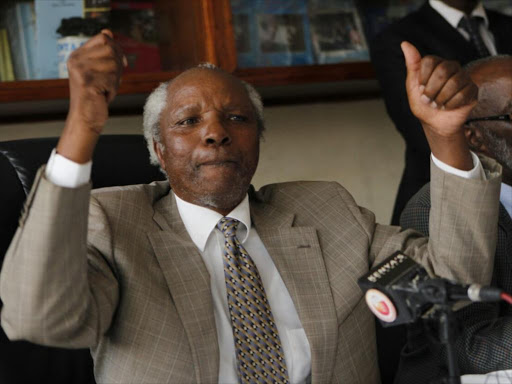
A study by Dennis Mugambi Njue, a deaf Kenyan, published in 2023 as “Echoes of empowerment: Fostering social protection for the deaf in Kenya”, pointed out the numerous challenges members of the community face.
According to the study, deaf Kenyans suffer discrimination, communication barriers, and limited access to essential services.
Some 85 per cent of deaf people face these challenges, leading to social inequality and poverty. They are also often marginalised and isolated, which hinders their social participation and inclusion.
The study reveals that communication barriers result in a lack of interaction between the deaf and hearing communities, leading to gaps in information, access to services, and opportunities.
It should worry policymakers that only five per cent of deaf people worldwide have access to sign language interpretation. The situation could be worse in Kenya.
Less than 10 per cent of deaf children in Kenya have access to quality education, compared with 85.4 per cent of hearing children, according to the African Disability Rights Yearbook.
This is complicated by a lack of necessary resources, trained special teachers, and inclusive teaching methodologies that cater to the needs of deaf students. Mainstream schools often lack sign language interpreters, limiting deaf children’s access to education.
The net effect is that lack of education denies many deaf people employment opportunities.
Despite a legal requirement that five percent of employees in public and private sectors be persons with disabilities, this group makes up a low 1.4 per cent of public servants.
Though there are laws that demand the employment of sign language interpreters, more needs to be done to support these groups of Kenyans by various institutions, including churches, schools, media and government offices.
Public buildings and amenities lack essential features, such as sign language interpretation or visual aids to improve access.
That is why it was heart-warming to learn that members of the Catholic church were making deliberate moves to accommodate the needs of the deaf by employing sign language interpreters.
According to officials pushing the campaign, the number of children born deaf or Christians who become deaf due to accidents or diseases was increasing but not enough is being done to accommodate them.
Author
Editorial
View all posts by EditorialLatest News





Advertisement
More on Insights