Advertisement
Inside Orengo-Oburu fallout over ODM’s future
Sunday 07th June, 2026 01:55 PM|
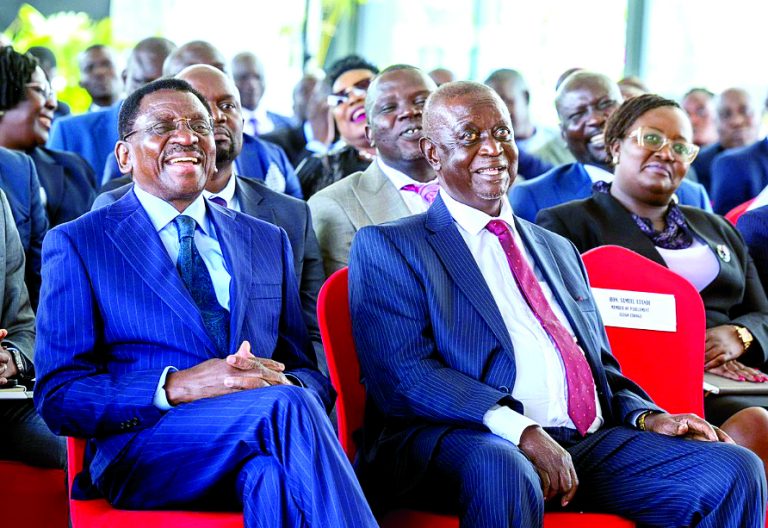
For decades, the Siaya Governor James Orengo and Orange Democratic Movement (ODM) party leader Oburu Odinga have marched under the same political banner.
They defended the same causes, fought the same political battles and stood alongside late ODM leader Raila Odinga through some of Kenya’s most defining moments of political struggle.
Today, however, Orengo and ODM party leader Oburu appear to be reading from entirely different political scripts.
The latest chapter in their increasingly bitter rivalry unfolded when Orengo outlined a series of tough conditions before any reconciliation talks with Oburu can take place.
You Might Also Like
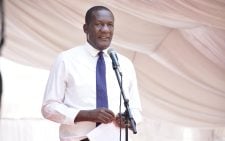
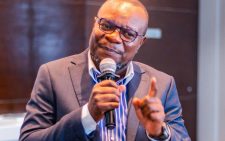
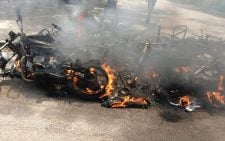
Far from extending an olive branch, the veteran lawyer and governor effectively challenged the very foundations of the party’s current leadership structure. To many observers, the dispute is no longer simply about personalities.
It is about succession.It is about ideology. And increasingly, it is about who will inherit ODM after the Raila Odinga era. Politics, much like football, survives on loyalty, identity and emotion.
Just as millions of Kenyans passionately follow English Premier League clubs thousands of kilometres away, ODM supporters have for years rallied behind a political movement built around a powerful brand and a charismatic leader. But every successful team eventually faces a difficult transition when its star player leaves the pitch.
The ODM split
That moment appears to have arrived in ODM. With Oburu taking a less active role in day-to-day party affairs, competing centres of influence have emerged.
On one side stands Oburu, representing a faction that sees ODM’s future in political pragmatism and strategic alliances.
On the other is Orengo, who has emerged as the leading voice of those demanding that the party retains its opposition credentials and ideological independence.
The growing cooperation between ODM and Ruto’s administration has exposed deep ideological differences that had long simmered beneath the surface. Orengo has made little effort to hide his discomfort with the arrangement.
“I have never been afraid to stand alone when principle is at stake,” the Siaya governor has maintained in various public forums.
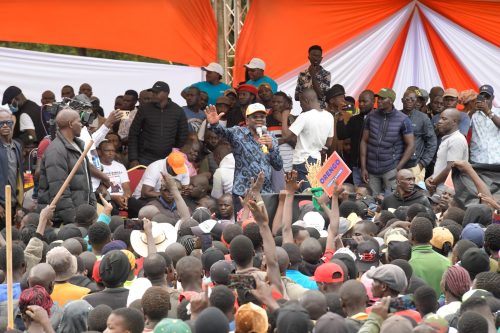
Political parties, Orengo argues, must stand for something bigger than positions, appointments and proximity to power. According to those close to him, his resistance is rooted in a belief that ODM’s greatest strength has always been its ability to offer an alternative voice to government.
It is this conviction that explains why he has become one of the most vocal critics of any deeper political arrangement between ODM and President Ruto. For Oburu, however, the disagreement is neither personal nor hostile.
The veteran politician has repeatedly insisted that he holds no bad blood against Orengo despite the sharp exchanges that have characterised their recent interactions.
“There is no quarrel between me and Orengo,” Oburu has said. “We are members of the same party. We simply have different views on the best path for ODM and for our people.”Those different views have now become the defining fault line within the Orange party.”
The scramble for power
Unlike Orengo, Oburu believes ODM cannot afford to remain permanently on the political sidelines. His camp argues that political influence is achieved by engaging power, not merely criticising it from afar.
Supporters of Oburu maintain that ODM’s cooperation with Ruto is not a betrayal of the party’s ideals but a pragmatic strategy designed to keep the party relevant in national affairs.
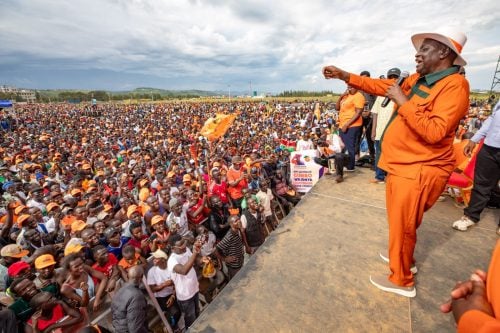
They point to the appointments secured by ODM figures and the growing influence of party members within government circles as evidence that engagement is yielding tangible political dividends.
To Oburu and his allies, politics is ultimately about acquiring and exercising power.
To Orengo and his supporters, politics is first about principles. That difference explains why reconciliation has become so difficult.
One camp believes ODM must maintain a healthy distance from Kenya Kwanza to preserve its identity.
Author
Latest News



Advertisement
More on Insights