Advertisement
How Iran’s closure of the Strait of Hormuz could trigger another fuel price shock in Kenya
Thursday 11th June, 2026 06:49 AM|
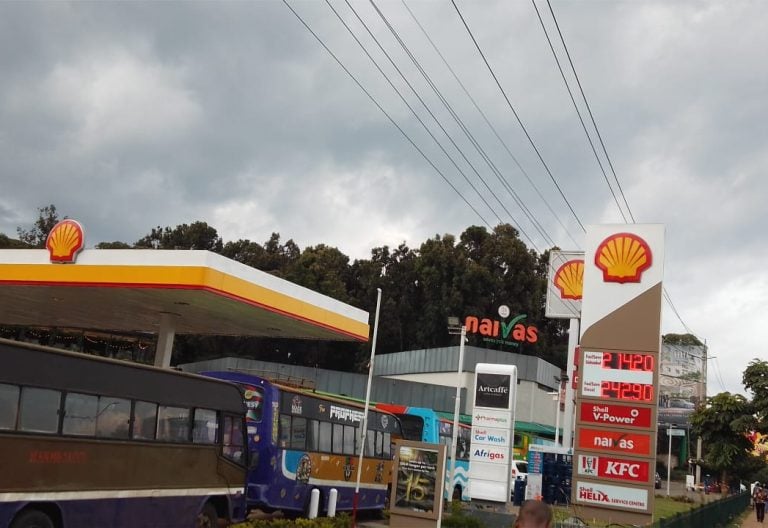
Kenyan motorists and businesses are set to feel the pinch again at the pump as Iran announces that the Strait of Hormuz is shut to its shipping industry, which could affect the flow of global oil supplies and push prices even higher.
The development comes at a critical time for Kenya, as the Energy and Petroleum Regulatory Authority (EPRA) is set to publish its fuel prices for the June-July period on June 14, 2026, while international markets continue to experience price fluctuations.
The Strait of Hormuz has been considered one of the world’s most critical maritime corridors, through which almost one-fifth of the world’s oil transits. The narrow waterway is a major route for crude oil and petroleum products from the Gulf countries to global consumers, and any interruption to traffic through the waterway jolts global energy markets.

Iran’s threat that ships trying to pass through the Strait might be attacked has raised concerns about a potential longer interruption to supply. Oil traders frequently respond to possible or expected lower supply levels and heightened risks by raising prices even before a shortage is felt. This has already begun to have a positive impact on crude oil prices, which are of concern to fuel-importing countries like Kenya.
Great impact for Kenya
You Might Also Like
The nation is 100% dependent on importing all its petroleum needs and is highly sensitive to international oil market fluctuations. The fuel import arrangement between the government and the private sector has helped in the stabilisation of the foreign exchange demand and fuel availability; however, it doesn’t fully insulate the country from crude price increases in the international market.
In the event of a continuation of the Hormuz crisis, Kenya may be required to pay higher prices for the imported fuel cargoes. In addition to the higher price for crude oil, shipping costs may go up as insurers begin to impose higher premiums for ships in the new “high-risk” area. All these added expenses end up as part of the consumer’s cost of the product.
The likelihood of fuel shortages in Kenya is low for the next few months, given that the country has strategic reserves and fuel supply contracts. But if there is a prolonged closure, and it has a significant impact on the world’s oil supply, then the competition for the oil supplies available might increase, impacting delivery schedules and costs for importing countries seeking fuel.
The crisis has highlighted Kenya’s vulnerability to geopolitical developments which take place thousands of kilometres away from the country, outside the fuel sector. A clash in the Gulf can easily escalate to transport tariff increases in Nairobi, the cost of food in the local market and operating costs for companies throughout the country.
The current crisis in the Strait of Hormuz has become one of the most critical factors that could decide whether Kenyans get some respite at the pump or have to withstand another painful hike in fuel costs in the coming June-July prices announcement by EPRA.
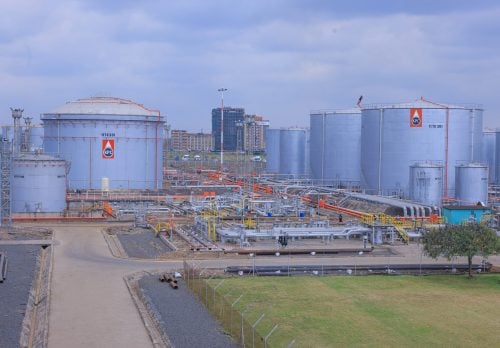
The crisis may prove to be the next big contributor to fuel inflation in Kenya if tensions do not de-escalate and shipping operations return to normal.
Government’s pressure to sustain subsidy
As Kenyans await EPRA’s June-July fuel price review, concerns are growing over how long the government can sustain fuel subsidies amid rising global oil prices.
Over the past two months, petrol prices in Nairobi rose from Ksh206.97 in April-May to Ksh214.25 in May-June, while diesel increased from Ksh206.84 to Ksh242.92.
To cushion consumers, the government reduced VAT on fuel from 16 per cent to 8 per cent and tapped the Petroleum Development Levy Fund for subsidies.
However, the great question is about the sustainability of continued interventions if global oil prices keep climbing.
Author
Latest News








Advertisement
More on Insights