Advertisement
How burnout and debt distress risks affecting teachers’ output
Wednesday 27th May, 2026 10:25 AM|

The growing evidence of financial distress among teachers points to a deeper and more systemic challenge within Kenya’s education sector, where rising debt levels, burnout, and emotional strain are increasingly shaping the reality of the teaching profession.
A recent Kenya National Union of Teachers (KNUT) Teachers’ Wellness and Engagement Research Report highlights a worrying picture of educators living under persistent economic pressure. According to the findings, the majority of teachers are surviving from pay cheque to pay cheque, with very little or no savings to cushion them against unexpected financial shocks.
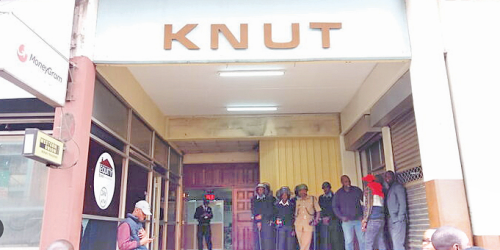
The report indicates that 97 per cent of teachers live from salary to salary, while 92 per cent are unable to comfortably manage unexpected expenses, reflecting a fragile financial environment that leaves many exposed to constant stress. Even more concerning is that 88 per cent of teachers struggle to service debts while maintaining their standard of living, showing how deeply indebted many educators have become.
From a broader perspective, this is not just a financial issue but a structural one. The combination of rising living costs, limited salary growth, and increasing reliance on loans has created a cycle where teachers are constantly borrowing to survive. Over time, this has contributed to emotional exhaustion, burnout, and reduced morale within the profession.
Education quality at risk amid rising teacher burnout
You Might Also Like



The psychological impact cannot be ignored. The report further shows that 60 per cent of teachers experience burnout, while a notable proportion report financial distress and mental health struggles linked to prolonged economic pressure.
Such conditions inevitably affect productivity, classroom engagement, and ultimately the quality of learning outcomes for students.
This situation raises important policy questions about the sustainability of current teacher welfare systems. While government interventions such as promotion funding and CBC retooling allocations have been introduced, the underlying financial pressures facing teachers remain largely unresolved.
Beyond salaries and short-term support measures, there is a growing need to rethink teacher welfare holistically. Financial literacy, mental health support, and long-term economic protection mechanisms must become central to education sector reforms.
Ultimately, a nation that relies on teachers to shape its future must also ensure that those teachers are not silently weighed down by debt and emotional strain. Without meaningful intervention, the ripple effects of this crisis risk weakening both the education system and the country’s broader development goals.
Author
Latest News








Advertisement
More on Insights