Advertisement
Finance Bill 2026: Why does Kenya need 349 MPs if only 162 show up?
Friday 19th June, 2026 07:20 AM|
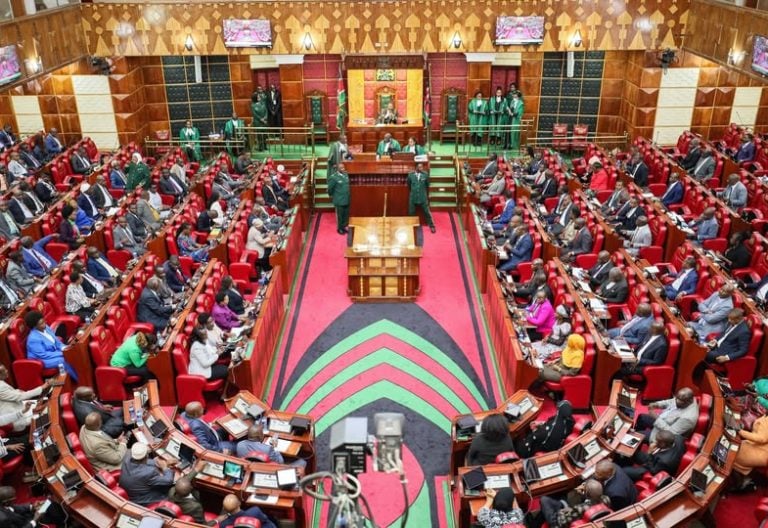
The passage of the Finance Bill 2026 has once again raised a fundamental question about Kenya’s parliamentary democracy: Why does the country maintain a National Assembly of 349 Members of Parliament when fewer than half can turn up to vote on one of the year’s most important pieces of legislation?
Kenyans across the country were expecting the MPs whom they voted in during the 2022 general elections when the Finance Bill came up for Third Reading on Thursday, June 18, 2026, but only 162 MPs were present in the House.
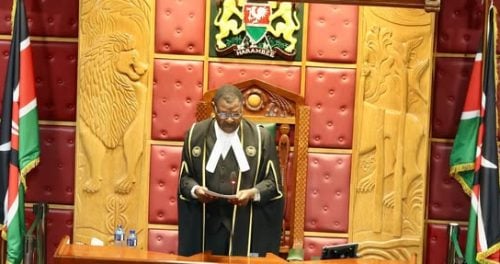
According to the official tally by the Speaker of the National Assembly, Moses Wetangula, on June 18, 2026, the Ayes comprised 103 electronic votes and 19 manual votes, while the Nays comprised 36 electronic votes and 4 manual votes.
“The results of the vote are as follows: on the third reading of the finance bill, the ayes, electronic vote 103, manual vote 19, total 122. The nays: electronic vote 36, manual vote 4, total 40. Abstentions nil, so the results, the ayes have it,” Wetangula said.
Finance Bill not a procedural vote
You Might Also Like
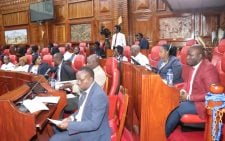


Although some might say this was not a routine procedural vote, the Finance Bill determines how the government raises revenue, influences taxation, affects the cost of living, shapes business operations, and ultimately impacts every Kenyan household with the current tough economic realities we are facing today.
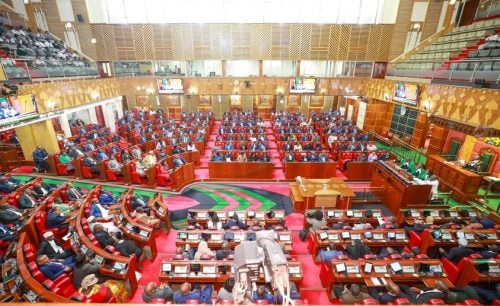
It is arguably one of the most consequential legislative decisions Parliament makes annually, and this is what Kenyans expect their representatives to defend them, yet more than half of them were nowhere to be seen.
The issue goes beyond whether one supports or opposes the Finance Bill. Democracy demands participation. Every constituency elects an MP with the expectation that they will represent the views and interests of their constituents in Parliament, particularly during critical votes.
Should number of MPs be slashed?
The low attendance during the vote opens a debate on the size and cost of Kenya’s Parliament. Taxpayers spend billions of shillings annually on salaries, allowances, office operations, security, staff, and other benefits for MPs.
The House remains one of the most expensive legislative institutions in the country relative to the country’s economic realities.
If only 162 legislators can determine the fate of a Finance Bill affecting over 50 million Kenyans, many citizens will understandably ask whether the current number of MPs is justified.
Author
Emmanuel Rono
Rono is a digital journalist with a proven track record in newsroom leadership and content creation. Currently a Digital Writer for People Daily Digital, Emmanuel’s career is rooted in a lifelong passion for storytelling. Let's talk here: [email protected] or [email protected]
View all posts by Emmanuel RonoLatest News







Advertisement
More on Insights