Advertisement
Explainer: Inside govt’s Ksh28.19B fuel stabilisation plan
Friday 22nd May, 2026 10:53 AM|

President William Ruto has defended the government’s response to the ongoing fuel crisis, stating that the government has spent a total of Ksh28.19 billion on an intervention package aimed at cushioning Kenyans from soaring fuel prices in the last two reviews by the Energy and Petroleum Regulatory Authority (EPRA).
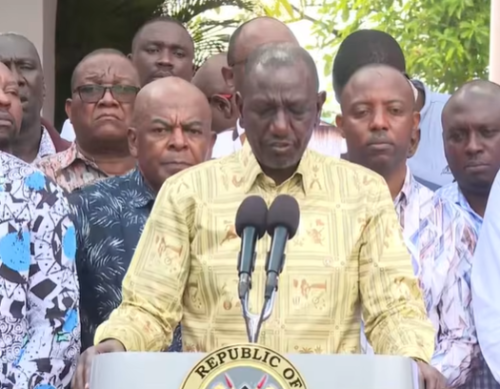
While addressing the nation in a presser in Mombasa on Friday, May 22, 2026, Ruto said that the billions spent in the previous two rounds of fuel pricing were meant to protect consumers from the full impact of the global oil price hikes, which are still placing strains on the economies around the world.
“In the last two pricing cycles (April-May & May-June), the government has spent a total of Ksh28.19 billion on fuel price support through direct stabilisation measures and tax relief interventions,” Ruto said.
According to the head of state, part of the funds were used in the government’s fuel stabilisation programme that absorbs some of the cost of fuel before it gets to the consumer at the pump.
You Might Also Like


Ruto has stated that lowering VAT on petroleum products from 16 per cent to 8 per cent has helped in alleviating the pressure on Kenyan families and businesses, noting that the tax cut alone has cost Ksh14.4 billion in terms of revenue forgone.
The president has further instructed the Energy and Petroleum Regulatory Authority to slash diesel prices by an additional Ksh10 in the June/July 2026 pricing cycle. Currently, diesel prices are being sold for Ksh232.86 per litre, making it one of the major concerns for transport operators and manufacturers.
Sustainability of fuel stabilisation policy
The announcement by the head of state was presented as a big economic ploy, but it also raises questions regarding the sustainability of the fuel stabilisation policy in Kenya.
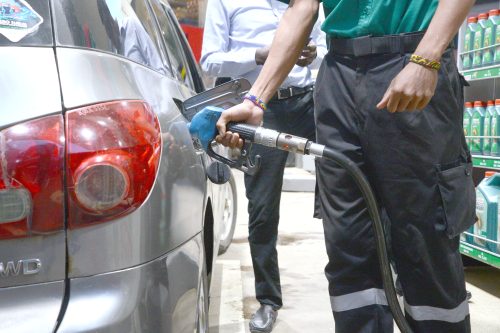
Billions of shillings have been spent, but Kenyans are still getting record-high pump prices, transport fares, and the prices of basic commodities are still rising. Those on the anti-programme side say the stabilisation programme is hitting the budget hard for a government facing growing debt and dwindling revenue.
The fuel subsidies also raise the question of whether there will be a long-term solution or if it’s a postponement of the effect of the oil market shock.
Author
Latest News




Advertisement
More on Insights