Advertisement
Africa-France Summit and what it means for Kenya
Saturday 09th May, 2026 02:00 AM|

Kenya is set to step into the global diplomatic spotlight as preparations intensify for the upcoming Africa Forward Summit set to be held in Nairobi from May 11-12, 2026.
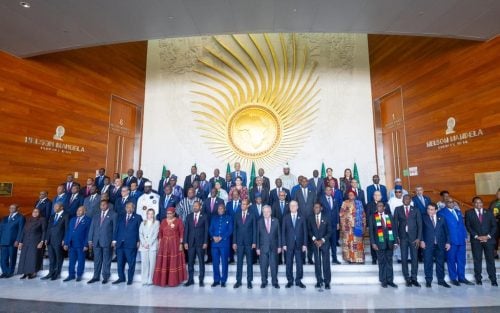
The high-level meeting brings together African heads of state, senior French officials, investors, diplomats and business leaders for discussions on trade, climate financing, infrastructure, security and economic cooperation.
For President William Ruto’s administration, the summit is more than a diplomatic gathering.
It is an opportunity to position Kenya as a regional economic powerhouse, attract fresh investments and strengthen Nairobi’s growing reputation as one of Africa’s leading diplomatic capitals.
You Might Also Like


The summit comes at a time when African countries are demanding more equitable partnerships with global powers, while France seeks to redefine its role on the continent amid changing geopolitical dynamics and increasing competition from China, Russia, Turkey, the Gulf states and India.

What is the Africa-France Summit?
The Africa-France Summit is a platform designed to strengthen ties between France and African nations through political dialogue, economic partnerships and development cooperation.
The summit was first held in 1973 under French President Georges Pompidou.
The inaugural meeting took place in Paris and was designed to strengthen ties between France and its former African colonies, particularly in West and Central Africa.
Over the years, however, the meetings have evolved from traditional diplomatic engagements into broader forums involving private sector players, civil society groups, innovators and youth representatives.
The summit often focuses on issues such as trade and investment, climate change, peace and security, digital transformation, public health and industrialisation.
France has historically maintained strong political, military and economic ties with many African countries, especially in West and Central Africa.
However, changing political realities across the continent have pushed Paris to rethink its Africa strategy.
In recent years, anti-French sentiment has grown in parts of the Sahel, particularly in countries such as Mali, Burkina Faso and Niger, where military governments have reduced cooperation with France and questioned its historical influence.
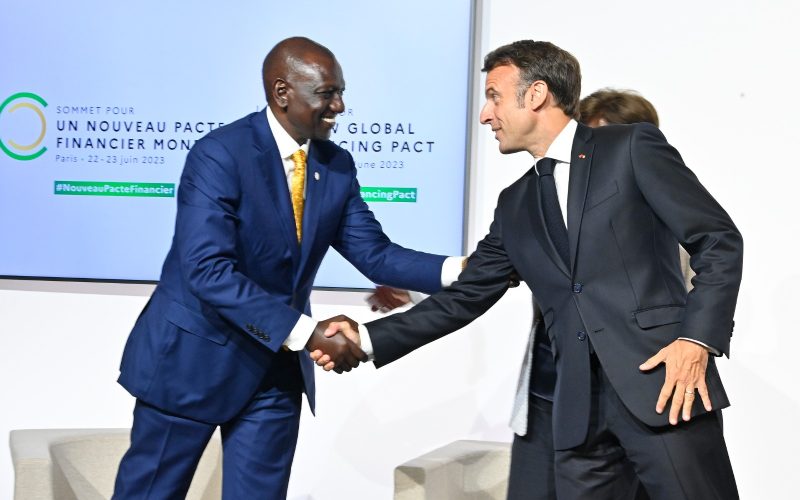
As a result, French President Emmanuel Macron has increasingly promoted what he describes as a “new partnership” with Africa based on investment, innovation and mutual respect rather than dependency.
Why Kenya was chosen
Kenya was chosen to host the event, marking a historic shift as the first time it is being held in a non-Francophone country.
Kenya’s selection as host highlights the country’s growing diplomatic and economic influence in Africa.
Nairobi is already home to major international institutions, including the United Nations Environment Programme and UN-Habitat, making it one of the continent’s most important diplomatic centres.
Kenya has also positioned itself as a gateway to East Africa through its relatively diversified economy, strategic transport infrastructure and expanding technology sector.
The decision to host the summit in Nairobi reflects a broader diplomatic shift in France’s engagement with Africa.
As Paris seeks to move beyond the colonial legacy tied to its former West African territories, it has increasingly turned toward East Africa in search of partnerships built on mutual respect and shared interests.
Nairobi, with its dynamic innovation ecosystem and English-speaking environment, symbolises this new direction in France-Africa relations.
Kenya’s growing influence on global issues also made it a strong choice for the summit.
Under President William Ruto, the country has emerged as a leading voice on climate action and global financial reform.
Through the Nairobi Declaration, Kenya has pushed for a fairer global financial system while positioning itself at the centre of international climate discussions.
Increasingly, Kenya is helping shape global conversations rather than simply participating in them.
The summit also highlights the growing partnership between Kenya and France.
In recent years, the two countries have deepened cooperation in defence, infrastructure, renewable energy, transport, and trade.
What was once a largely economic relationship has steadily evolved into a broader strategic partnership with long-term regional and global significance.
Author
Latest News





Advertisement
More on Insights