Advertisement
A look at the new Wajir Stadium hosting Madaraka Day celebrations
Monday 01st June, 2026 11:37 AM|

Wajir County is making history at the newly built Wajir Stadium, which has been constructed to international sporting and event standards, as it hosts the celebrations of Madaraka Day, which are to occur at the stadium.
The super-modern stadium is part of a wider initiative by the government to spread the celebrations at the national level and to encourage inclusive development in all the regions of Kenya.
The project is now deemed to be “substantially complete”. Kenyans have streamed into the 10,000-seater stadium for the 63rd Madaraka Day celebrations.
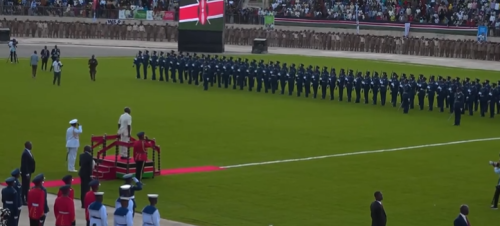
New design and facilities.
The stadium is designed to serve a variety of sports and events. It has a full-size football field, an 8-lane athletics track, VIP lounges, modern changing rooms and increased spectator stands that are comfortable and safe.
You Might Also Like



It has a design capacity to accommodate both national celebrations and athletics events, football matches and huge public gatherings, making it a very critical sporting asset to the northeastern region of Kenya.
The stadium will also foster economic growth in the region, with its facilities and amenities supporting local businesses and industry. Its benefits have been emphasised to include providing an avenue for boosting tourism, providing business opportunities for traders and improving infrastructure in Wajir town and its periphery.
In addition, the celebration of Madaraka Day in Wajir is symbolic, as it signals the first celebration of this national event in the region, which is a step towards unity and inclusion of the region.
Significance of the venue
Wajir has not had its own stadium for decades and has had to use open grounds for public events. The new facility is, therefore, a significant change in the profile of the county’s infrastructure, which will provide a permanent venue for sports development and civic gatherings.
Wajir Stadium is more than a celebration ground; it is a place of investment in an area that has had little done for it and a new beginning of the Kenya development narrative as the nation celebrates Madaraka Day.
Funding and financial support for the project.
Wajir Stadium construction is being funded by the national government under the general infrastructure investment programme to host Madaraka Day 2026 in Wajir. The project is estimated to cost Ksh900 million; the government has dedicated it to completing the facility and its supporting infrastructure in a hurry ahead of the national event, according to reports.

The funding is not provided in an individual county budget, but it is woven into national developmental spending for various functions in the country, such as upgrading transport, security and public utilities in Wajir in preparation for the celebration.
Supervision and implementation framework.
The stadium is being executed under a multi-agency government structure with the Ministry of Defence leading the project and the Kenya Defence Forces (KDF) supervising construction works on the ground.
This is a model of supervision of the projects by the military, which is utilised to ensure that the project is controlled more tightly, that the procurement is faster and more coordinated, and that construction work can be carried out around the clock in order to meet the very tough deadlines. The Ministry of Sports, in addition to other national agencies and the officials from the Wajir County Government, is also involved in coordination and oversight, especially to ensure that the stadium meets national standards.
Senior government officials, including the members of the Steering Committee on National Celebrations, have been monitoring the progress and giving directions on the acceleration of the works in the process of inspection visits.
Author
Latest News





Advertisement
More on Insights