Advertisement
Willis Otieno slams MPs’ Naivasha retreat, terms it a waste of public funds
Sunday 01st February, 2026 07:40 PM|
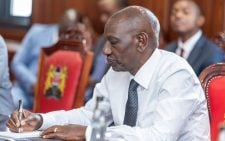
Safina Party deputy leader designate Willis Otieno has criticised Members of Parliament for holding a retreat in Naivasha, saying the event misused taxpayers’ money and undermined public trust in leadership.
In a statement shared on X on Sunday, February 1, 2026, Otieno highlighted the difference between private or membership-funded spending by professional bodies and compulsory public funding for MPs.
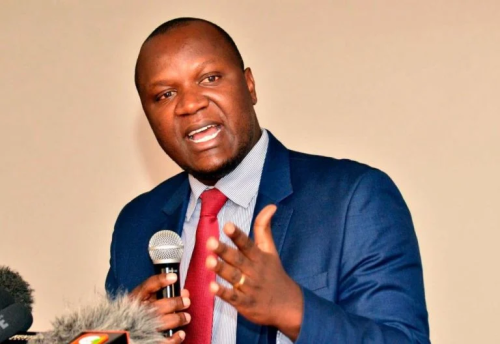
“Comparing MP retreats funded by taxpayers to LSK, KNUT, or head teachers spending their own members’ money is either dishonest or intellectually lazy. One is private or membership-funded expenditure; the other is compulsory extraction from a struggling public. That difference alone kills the comparison,” he said.
Speaking on the justification that the Naivasha retreat was a “conference facility,” Otieno dismissed the defence as misleading and irrelevant.
You Might Also Like
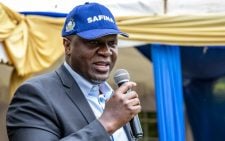
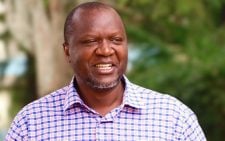
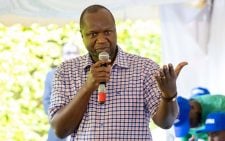
“Second, calling Naivasha a ‘conference facility’ misses the point deliberately. The issue is not location. It is timing, scale, excess, and hypocrisy. When a country is hiking taxes on bread, fuel, milk, and medicine, leadership does not check into resorts with convoys, allowances, and per diems to ‘reflect.’ You tighten your own belt first or shut up,” Otieno said.
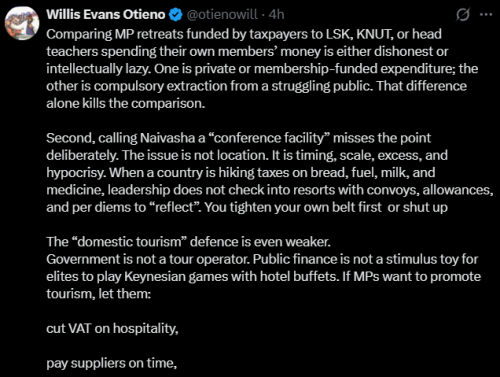
He further challenged claims that the retreat could boost domestic tourism, arguing that public finance should not be used as a playground for elites.
“The ‘domestic tourism’ defence is even weaker. Government is not a tour operator. Public finance is not a toy for elites to play Keynesian games with hotel buffets. If MPs want to promote tourism, let them: cut VAT on hospitality, pay suppliers on time, improve infrastructure, and increase disposable income for citizens. That is how tourism grows,” he said.
MPs retreat to Naivasha
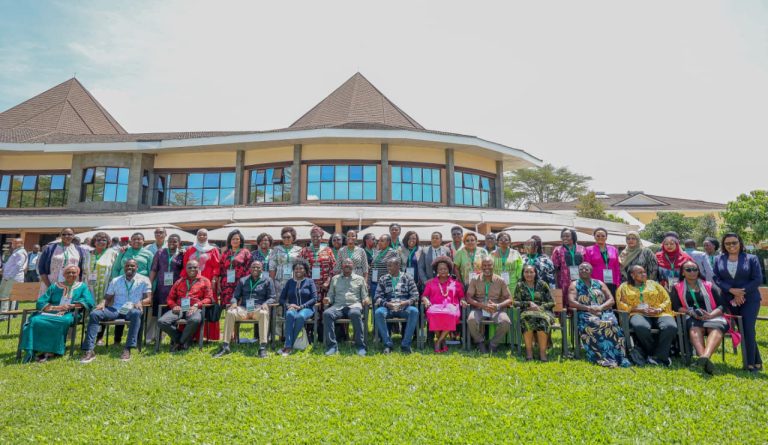
The National Assembly retreated to Naivasha for a five-day National Leadership Forum, themed around securing a parliamentary legacy, on January 27, 2026.
All members of the National Assembly, together with the Parliamentary Service Commission Praesidium, House leadership, and committee chairpersons, used the forum to analyse progress made during the past sessions and to align legislative priorities for the remainder of the parliamentary term.
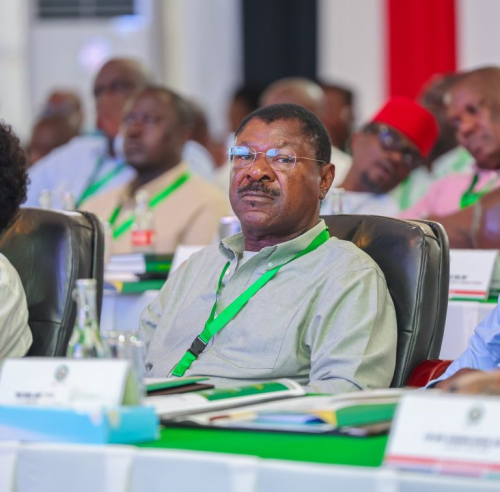
The meeting also provided members with an opportunity to interrogate the readiness of the IEBC and other responsible institutions, with particular emphasis on the status of boundary delimitation, voter registration and education, electoral technology, and the sufficiency of the legal and policy framework.
Members of Parliament further examined political party regulation and financing.
Registrar of Political Parties John Lorionokou met MPs to discuss the implementation of the Political Parties Act, including campaign financing regulations and administration of the Political Parties Fund.
Author
Latest News
Advertisement
More on Inside Politics