Advertisement
What IEBC’s dispute report means for aspirants eyeing 2027 elections
Thursday 09th July, 2026 11:15 AM|

Aspirants preparing for Kenya’s 2027 general election now have clear guidance from the IEBC’s Pre-Election Dispute Resolution Report. The Commission handled 323 complaints during the 2022 nomination period.
Many of these disputes delayed candidates and created uncertainty. The new report analyses what went wrong and sets out changes that will affect how you prepare and file your papers in 2027.
The report shows that the Dispute Resolution Committee (DRC) worked under pressure. Section 74 of the Elections Act 2011 required it to decide cases within ten days. Panels sat at Milimani Law Courts in Nairobi and often worked late nights and weekends. Despite the tight schedule, the Committee heard every complainant and produced written decisions that courts mostly upheld.
Key problems that hit aspirants in 2022
Independent candidates faced the biggest hurdles. Their numbers jumped by about 64 per cent compared with 2017. Many struggled to collect supporter signatures and ID copies because people demanded money or refused to share personal details. Public officers often submitted resignation letters that raised doubts. Some Returning Officers extended deadlines at the last minute, as happened with Governor Irungu Kang’ata’s running mate. These actions shook public confidence.
You Might Also Like
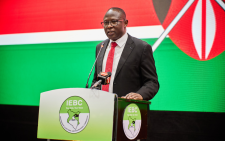
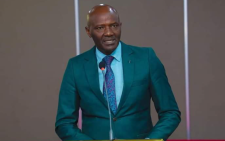
IEBC Chairperson Erastus Edung Ethekon wrote in the foreword: “This report is one of a kind as it lays the foundation for future pre-election dispute resolution.” He stressed that the goal remains the same — no eligible citizen should face unreasonable barriers under Article 38 of the Constitution.
Practical changes coming for 2027
The IEBC wants longer timelines. It plans to ask Parliament to extend the window for filing complaints from 24 to 48 hours and the decision period from 10 to 14 working days. This extra time should produce better decisions and reduce last-minute court appeals that disrupt ballot printing.
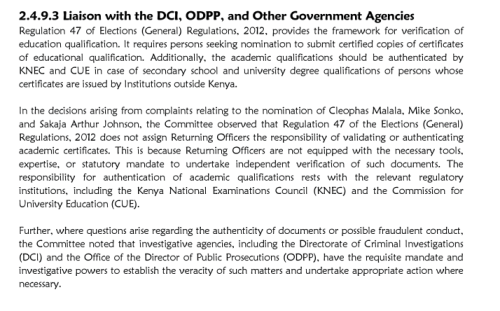
If you previously worked in public service, prepare to submit both your resignation letter and a certificate of service. The Commission now recommends this extra document to prove you left your job properly. For academic certificates, Returning Officers will no longer act as verifiers. IEBC will rely on KNEC and the Commission for University Education instead.
Independent candidates will benefit from clearer guidance. The report advises the IEBC to hold more pre-nomination meetings and explain supporter requirements early. Digital tools will also help. A new case management system should send automatic notices and allow virtual hearings, so you do not need to travel to Nairobi for every step.
Moses Sunkuli, then Acting Commission Secretary, explained the aim: the reforms will make the DRC “a more structured, accessible, and resilient quasi-judicial body”.
What you should do now
Attend every pre-registration meeting your Returning Officer calls. Know the exact gazetted deadlines and keep accurate time on nomination day. If you plan to run as an independent, start collecting supporter details early and respect data protection rules. Build your file with clear, certified documents. Understand the difference between party nominations and IEBC registration — many 2022 complaints failed because aspirants approached the wrong forum.
The report also encourages the IEBC to improve public awareness about the DRC’s role versus the Political Parties Disputes Tribunal. This should cut down on cases thrown out for lack of jurisdiction.
For persons with disabilities, the Commission plans to review registration rules so you face fewer barriers when you stand for elective seats.
The IEBC learned from 2022 that early preparation, proper documents, and realistic timelines protect your political rights while keeping the process fair. Follow the updated guidelines, attend sensitisation sessions, and organise your papers well in advance. These changes should reduce nasty surprises during nomination and let you focus on campaigning instead of fighting in committees or courts.
Kenya’s voters want credible contests. The IEBC’s report gives you the practical map to meet that standard in 2027.
Author
Kenneth Mwenda
Kenneth Mwenda is a business, sports, and politics digital writer with over seven years of experience in journalism, covering breaking news, feature stories, and in-depth analysis across a range of beats.
For inquiries, he can be reached at [email protected]
View all posts by Kenneth MwendaLatest News






Advertisement
More on Inside Politics